
The Ultimate Showdown: Invisalign vs Braces for Teens and Adults
Looking to straighten your smile but unsure which orthodontic option is best for you? For years, traditional metal braces were the go-to solution, but now clear aligners like Invisalign offer a discreet alternative for both teens and adults. While clear aligners are convenient and removable, traditional braces may still be better suited for complex cases. Each option comes with its own set of pros, cons, and lifestyle considerations. With expert insights from Dr. Charles E. Boren, this guide breaks down everything you need to know to choose the right path to your perfect smile.
Understanding Invisalign
Invisalign is a brand name that has become synonymous with clear aligner therapy. It utilizes a series of custom-made, transparent plastic trays that fit snugly over your teeth.
How It Works
Unlike braces, which use wires to pull teeth into place, Invisalign uses a push mechanism. You receive a set of trays, each slightly different from the last. You wear each set for about one to two weeks, and as you switch them out, your teeth gradually move toward their final projected positions. The system relies on advanced 3D imaging technology (often called iTero scanning) to map out the entire treatment plan before you even wear your first tray.
The Key Benefits
The primary draw of Invisalign is visibility—or lack thereof. The trays are made from a proprietary SmartTrack material that is virtually invisible from a conversational distance. For adults in client-facing jobs or teens who want to avoid the stigma of metal braces, this is a massive advantage.
Another major benefit is removability. Because you take the trays out to eat and drink, there are no dietary restrictions. You can still eat popcorn, chew gum, and bite into whole apples, provided you brush your teeth before putting the trays back in. This removability also makes oral hygiene significantly easier compared to navigating floss around wires.
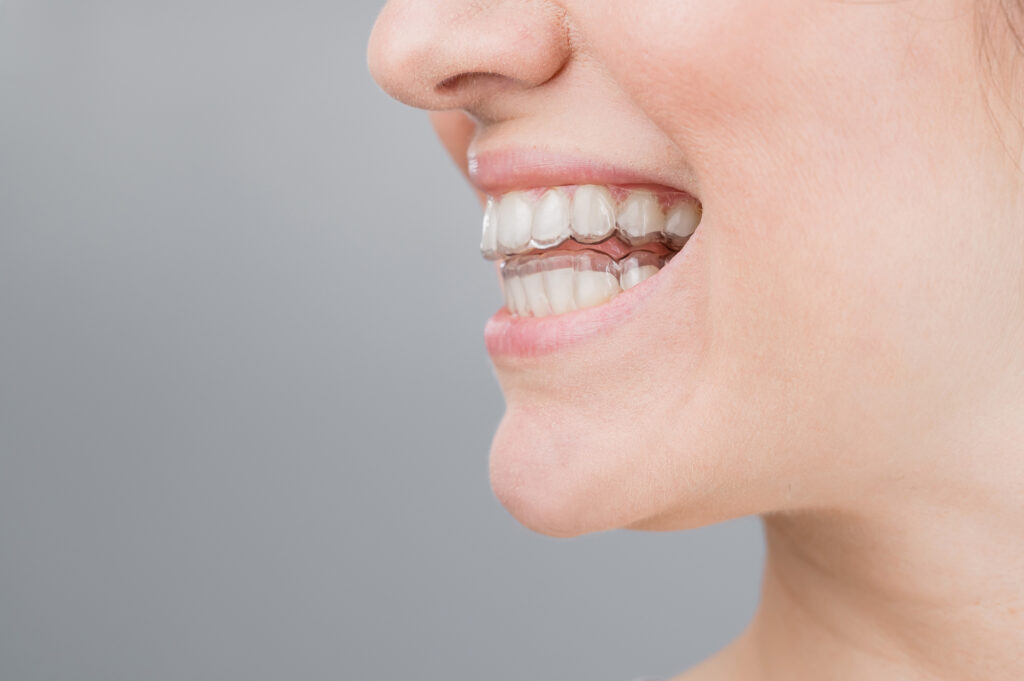
Invisalign vs Braces
Exploring Traditional Braces
Traditional metal braces are what most people picture when they think of orthodontics. They consist of high-grade stainless steel brackets cemented to the front of each tooth, connected by a thin archwire. The wire is held in place by small elastic bands (ligatures), which can come in various colors.
The Mechanism
Braces work on a system of constant pressure. The archwire applies force to the brackets, which in turn moves the teeth. Periodically, you visit your orthodontist to have the wires tightened or changed, which keeps the movement progressing.
Why They Are Still Popular
Traditional braces remain a key solution in orthodontics because they offer unmatched control over tooth movement, with no risk of patient non-compliance. Modern braces are lighter, smaller, and more discreet than ever. For a subtler look, ceramic braces provide tooth-colored brackets, combining the effectiveness of braces with a more natural appearance.
Aesthetics and Comfort
When comparing the two, aesthetics and comfort are usually the first things patients ask about.
The Look
In the battle of aesthetics, Invisalign is the clear winner for discretion. Unless someone is standing very close to you, they likely won’t know you are wearing aligners. However, it is worth noting that some Invisalign treatments require “attachments”—small, tooth-colored bumps bonded to the teeth to help the trays grip. These can make the aligners slightly more noticeable.
Braces are visible. While ceramic options minimize this, the wire is usually still visible. However, for many teens, the ability to choose different colored bands is a fun way to express personality, making the visibility a feature rather than a bug.
The Feel
Comfort is subjective, but generally, Invisalign is considered more comfortable. The plastic is smooth and doesn’t irritate the cheeks or gums. Braces, on the other hand, can cause sores on the inside of the cheeks and lips, especially during the first few weeks as the mouth toughens up.
However, Invisalign does cause tooth soreness, especially when switching to a new tray. This pressure indicates the treatment is working, but it can be uncomfortable for the first day or two of a new cycle.
Treatment Effectiveness
This is the most critical medical consideration. While Invisalign technology has advanced rapidly and can now treat a wide range of malocclusions, braces still hold the edge in complex cases.
When to Choose Braces
Traditional braces are often more effective for:
- Severe overcrowding: When teeth are extremely rotated or overlapping.
- Vertical movement: Pulling teeth down or pushing them up.
- Complex bite issues: Correcting severe crossbites, underbites, or deep bites.
Because the appliance is fixed, the orthodontist can execute precise, complex movements that might be difficult for a removable plastic tray to achieve.
When to Choose Invisalign
Invisalign is excellent for:
- Mild to moderate crowding and spacing.
- Relapse cases: Adults who had braces as kids but didn’t wear their retainers.
- Open bites: Some studies suggest clear aligners are actually superior for closing anterior open bites.
Dr. Charles E. Boren and other experts often evaluate the complexity of the root movement required. If the roots need to be torqued significantly, braces might be the recommended route to ensure stability.
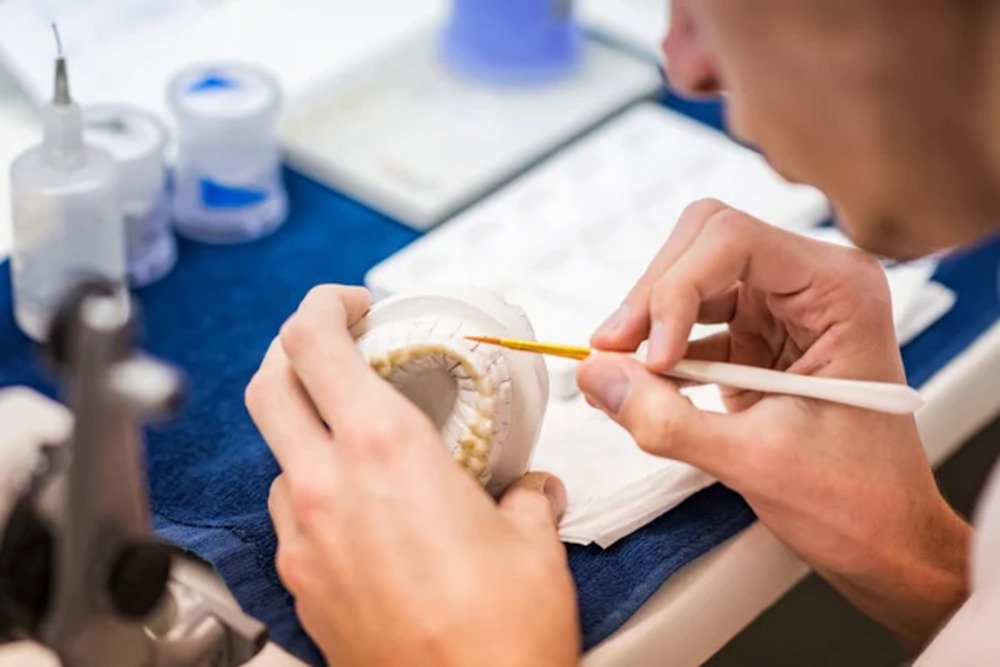
Invisalign vs Dental Braces
Treatment Duration and Maintenance
How long will it take, and how much work is it?
Timelines
Surprisingly, treatment times are often comparable. On average, orthodontic treatment lasts between 12 and 24 months for both methods. In some straightforward cases, Invisalign can actually be faster because the force is applied to the teeth all at once rather than individual teeth being moved sequentially.
Maintenance and Compliance
This is where the user experience diverges sharply.
Invisalign requires high discipline. You must wear the trays for 20 to 22 hours a day. If you take them out for a long lunch and forget to put them back in, your treatment stalls. You also need to clean the trays every time you brush your teeth to prevent staining and bacterial buildup.
Braces require less daily “remembering” but more physical maintenance. You have to brush carefully around the brackets and thread floss under the wires (or use a water flosser). You also have to visit the orthodontist more frequently—usually every 4 to 8 weeks—for adjustments. Invisalign aligners check-ups are typically shorter and less frequent, occurring every 6 to 10 weeks just to monitor progress and pick up new trays.
Cost Comparison
Cost is often the deciding factor for families and individuals. Historically, Invisalign was significantly more expensive than braces. However, the gap has narrowed.
Traditional Braces: Generally cost between $3,000 and $7,000.
Invisalign: Generally costs between $4,000 and $8,000.
Many dental insurance plans cover orthodontic treatment up to a certain dollar amount or percentage, regardless of the method chosen. However, some plans categorize Invisalign as “cosmetic” and may not cover it, so it is vital to check your specific benefits. Most offices, including that of Dr. Charles E. Boren, offer payment plans to spread the cost over the duration of the treatment.
Lifestyle Considerations
Your daily habits play a huge role in which treatment will succeed.
Diet
With braces, you have a laundry list of forbidden foods: popcorn, nuts, sticky candy, hard bagels, and corn on the cob. Breaking a bracket means an emergency trip to the orthodontist and can prolong treatment time.
With Invisalign, you can eat whatever you want. However, you cannot drink anything other than water while the trays are in. If you are a person who likes to sip coffee throughout the morning or enjoy sugary sodas, you will find yourself constantly removing your aligners, which cuts into your required wear time.
Sports and Music
For athletes, braces pose a risk of injury to the soft tissues of the mouth if hit with a ball or elbow. A specialized mouthguard is required. Invisalign trays can actually act as a thin mouthguard, or can be removed for the game.
For musicians who play wind instruments (trumpet, flute, saxophone), braces can significantly alter the embouchure and make playing difficult or painful. Invisalign is generally much friendlier to musicians.
Who is a Good Candidate?
Choosing between the two often comes down to the patient’s age and maturity level.
The Case for Adults
Adults are usually ideal candidates for Invisalign. They are motivated to improve their smile, compliant with wear time, and often prioritize aesthetics for professional reasons.
The Case for Teens
Teens are a mixed bag. Invisalign Teen includes “compliance indicators”—small blue dots that fade as the trays are worn—to help parents ensure the teen is actually wearing them. However, for teens who are prone to losing things or who might throw their trays in a napkin at the cafeteria and accidentally toss them in the trash, fixed braces provide a safety net. The treatment works 24/7 without the teen having to do anything.
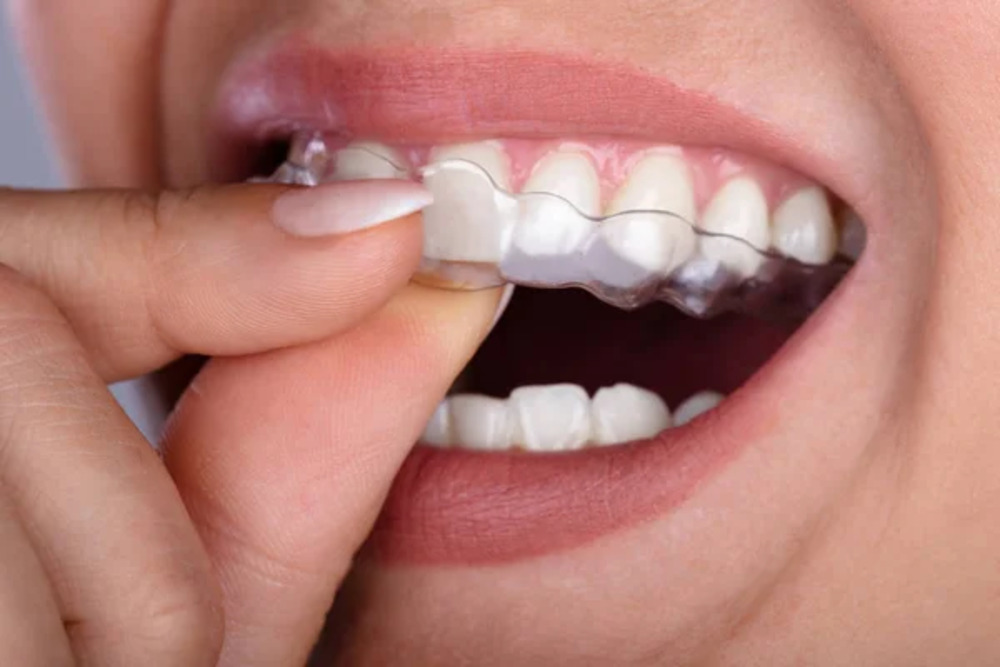
Invisalign vs Dental Braces Service
Expert Insights from Dr. Charles E. Boren
When making a medical decision, generic advice can only go so far. An experienced orthodontist looks at the unique architecture of your face and jaw.
Dr. Charles E. Boren emphasizes that there is no “best” tool, only the right tool for the specific job. He notes that patient lifestyle is often as important as the clinical diagnosis. If a patient admits they won’t be diligent about brushing after every meal, Dr. Boren might suggest braces to avoid the hygiene pitfalls of trapping food inside aligner trays, which can lead to cavities.
Furthermore, Dr. Charles E. Boren points out that hybrid approaches are becoming more common. Some patients might start with braces for a few months to handle complex root movements and then switch to Invisalign implant to finish the fine-tuning. This highlights the importance of seeing a specialist rather than relying on mail-order aligner companies that lack ongoing supervision.
Choosing Your Path to a Perfect Smile
The battle between Invisalign and braces doesn’t have a single winner. If you value discretion and flexibility and are disciplined enough to follow the rules, Invisalign offers a fantastic, modern path to a straight smile. If you have complex dental issues or want a “set it and forget it” solution where the hardware does the work for you, traditional braces remain the gold standard.
Ultimately, the most important step isn’t choosing the appliance; it’s choosing the provider. A skilled orthodontist like Dr. Charles E. Boren can evaluate your specific bite, discuss your daily routine, and guide you toward the treatment that will give you the best results in the most efficient timeframe.
Charles E. Boren D.D.S., P.C.
https://maps.app.goo.gl/rhALKFmSsGQ6w8ex9
5200 Cedar St, Bellaire, TX 77401
(713) 655-7673
https://charlesborendds.com/