
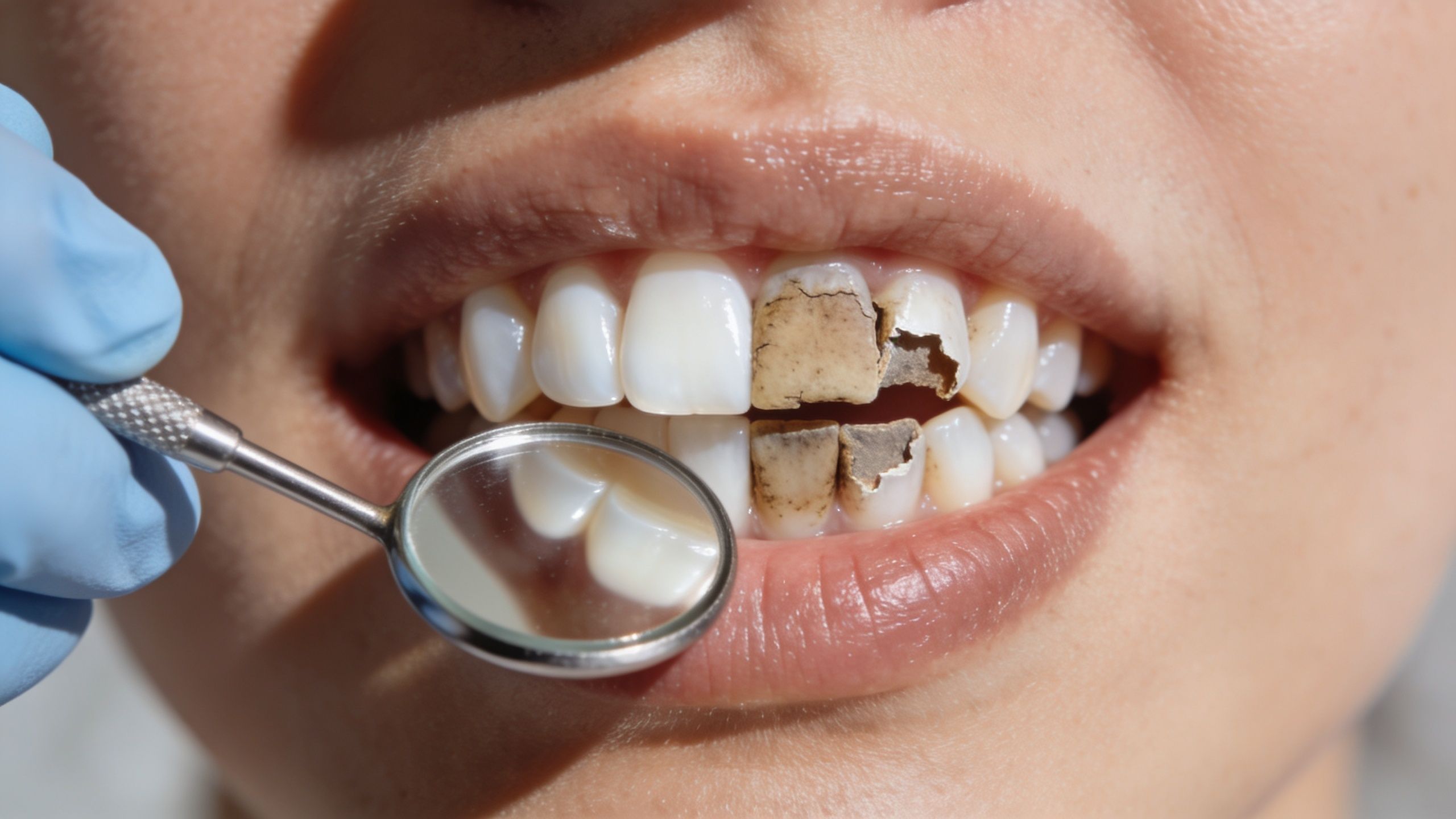
You wake up with a tight jaw, a dull headache, or teeth that suddenly look a little shorter in the mirror. Maybe coffee hits one tooth and you feel a quick zing. Maybe your partner says they hear grinding at night. Many people in Bellaire and nearby Houston neighborhoods brush these signs off for months because the changes happen slowly.
But grinded down teeth usually don't mean "just cosmetic wear." They often point to ongoing pressure on your teeth, jaw joints, and chewing muscles. In some people, stress is the driver. In others, the main issue is hidden in sleep.
- Notice Your Teeth Are Grinded Down? A Bellaire Dentist Can Help
- The Hidden Causes of Teeth Grinding and Wear (Bruxism)
- Key Symptoms and How Grinding Affects Your Overall Health
- How We Diagnose and Treat Grinded Teeth in Our Bellaire Office
- Restoring Your Smile After Grinding Damage
- What to Expect During Your Appointment in Bellaire TX
- Your Questions About Teeth Grinding Answered
Notice Your Teeth Are Grinded Down? A Bellaire Dentist Can Help
A patient sits down in our Bellaire office and says, "My teeth used to look normal. Now the edges seem shorter, one tooth is sensitive, and I keep waking up with a tired jaw." That pattern is common, and it deserves a closer look.
Worn teeth rarely happen for just one reason. Stress can play a role, but it is not the whole picture. In some patients, grinding is tied to airway and sleep problems that show up at night long before anyone connects them to the teeth. That is why a careful exam matters. We want to understand the cause of the pressure, not only repair the marks it leaves behind.
What patients usually notice first
The early signs can be subtle at first, then easier to spot once you know what to watch for:
- Front teeth that look flatter or shorter
- Small chips or rough edges
- Sensitivity with cold drinks, sweets, or brushing
- Jaw soreness in the morning
- Temple headaches or tight chewing muscles
- Fillings that keep cracking or loosening
Teeth work a lot like ceramic tile. They are strong under normal chewing forces, but repeated sideways pressure can wear the surface down and stress the edges. If that pressure continues night after night, the changes become easier to see and harder to ignore.
Some people start by searching for cosmetic help because their smile looks different. Others look for relief because something hurts. Both concerns matter. If you have been wondering what causes teeth grinding at night, the answer may involve more than tension alone.
Grinded down teeth can often be treated successfully, but the best plan starts with finding the reason the wear is happening.
Patients also want a dental office they can trust, both in person and online. If you're curious how practices build that visibility, this guide on learn how to get more dental patients gives useful background.
Why early action matters
Enamel does not grow back. Once the outer layer wears thin, teeth lose part of their natural shield, and the softer inner structure is more likely to become sensitive, chip, or change shape. Early treatment can be much simpler. A night guard may help protect the teeth, but some patients also need a closer look at bite forces, jaw joints, or possible sleep-related breathing issues.
That fuller approach is important. If grinding is your body's response to disrupted sleep, covering the teeth without addressing the sleep problem is a bit like repainting a ceiling without fixing the roof leak. The surface may look better for a while, but the source of the damage keeps working in the background.
The good news is that modern care can protect your teeth, improve comfort, and help identify whether your grinding is part of a larger health issue that should be treated.
The Hidden Causes of Teeth Grinding and Wear (Bruxism)
Bruxism is the habit of clenching or grinding your teeth when you are not chewing or speaking. It can happen during the day, during sleep, or both. Many patients in Bellaire are surprised to learn they have it, because the first clear sign is often worn, flattened, or chipped teeth rather than a memory of grinding.
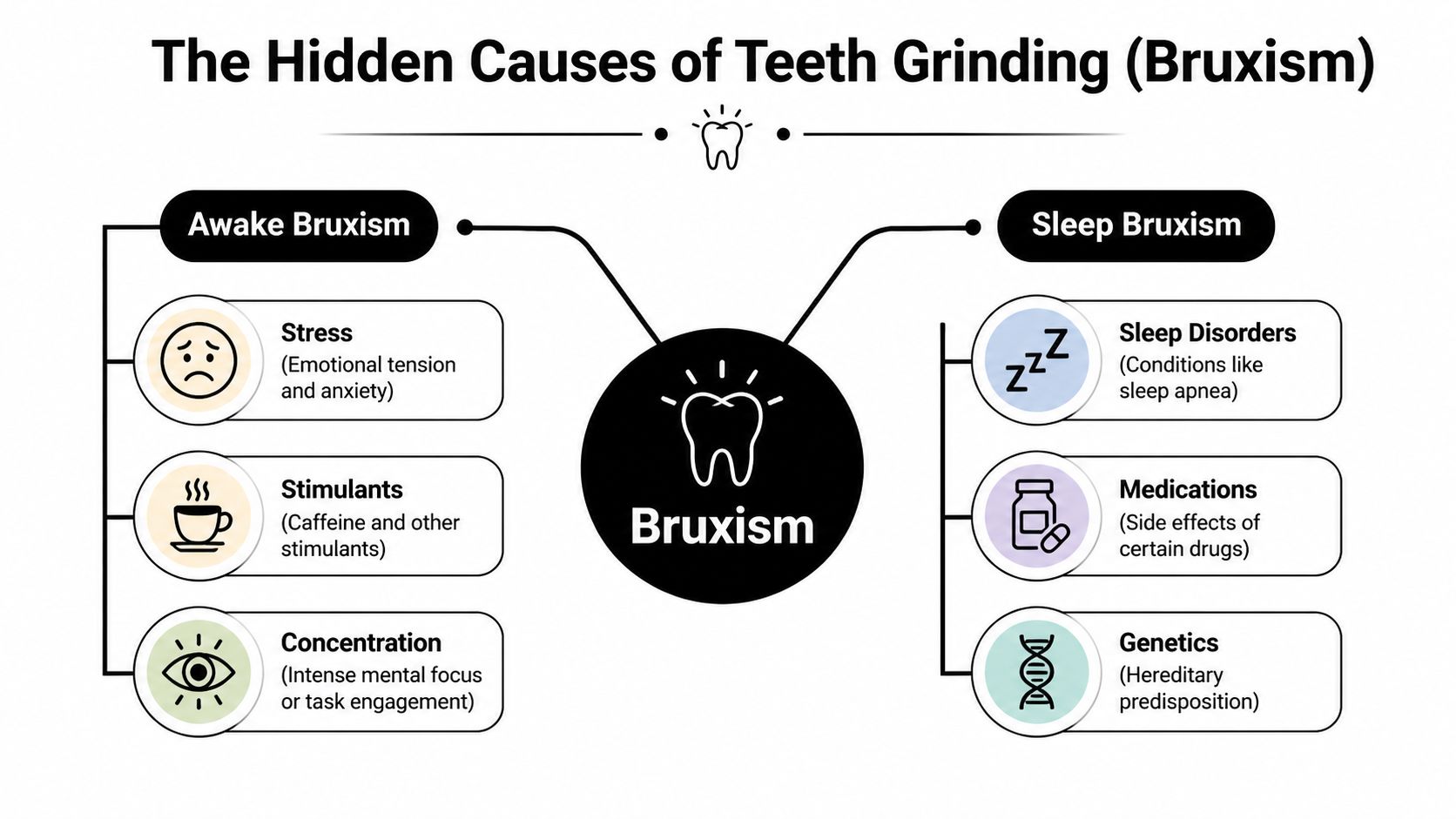
Awake grinding and sleep grinding have different patterns
Daytime clenching usually has a trigger you can recognize. It often shows up during focused work, driving, exercise, or stressful moments. Some patients notice they keep their teeth lightly touching for hours without realizing it, which overworks the jaw muscles even if there is no loud grinding sound.
Sleep bruxism is harder to spot because it happens outside conscious control. A spouse may hear it, but many people never do. Instead, the clues show up later as morning jaw fatigue, tiny chips, sore chewing muscles, or unusual wear that does not match normal aging.
That difference matters in treatment. A daytime habit can sometimes improve with awareness and behavior changes. Nighttime grinding often calls for a closer look at what your body is responding to while you sleep.
Stress plays a role, but it is only one piece
Stress and anxiety can absolutely increase clenching. That part is real. But in dentistry, stopping the conversation there can lead to incomplete care.
One of the most commonly missed contributors is sleep-disordered breathing, including sleep apnea. An article focused on worn-down teeth and grinding explains that dentists may see severe wear as a stress problem when poor nighttime breathing is part of the picture, as discussed in this review of worn down teeth and sleep apnea.
Here is why that matters. If the airway narrows during sleep, the body may tense the jaw and facial muscles as part of a repeated arousal response. In simple terms, grinding can be a warning signal, not just a bad habit. A patient may come in asking to fix a chipped tooth or improve the look of a worn smile, while the bigger issue is interrupted breathing and poor-quality sleep.
If grinding is connected to disordered sleep, repairing the worn teeth without addressing sleep may leave the underlying problem untouched.
How wear happens over time
A tooth works a bit like a structure with a hard outer shell and a softer core. Enamel is the hard outer layer. Underneath it is dentin, which is less resistant to pressure and much more likely to feel cold, heat, or sweets.
Early on, the changes can be subtle. The front edges look flatter. The points on the back teeth look shorter. Then the wear becomes easier to notice. Small chips appear, teeth become sensitive, and the smile can start to look darker or more uneven because dentin is showing through.
Patients often describe this in very personal terms. They say their teeth look shorter, older, or less like their own smile. That observation is often accurate.
Other factors your dentist may evaluate
Grinding usually has more than one driver, so a careful exam looks beyond stress alone. We may consider:
- Bite forces that overload certain teeth
- Jaw joint or muscle strain that changes how your teeth come together
- Medication effects that can increase clenching
- Family patterns of tooth wear
- Tooth position or alignment issues that concentrate pressure
- Nighttime breathing concerns that deserve a medical screening
If you want a clearer patient-friendly explanation of what causes teeth grinding at night, that resource can help you understand the common patterns before your visit.
In our Bellaire office, this root-cause approach is a major part of treatment planning. Protecting the teeth matters, but understanding why the grinding started is what helps us build a plan that lasts.
Key Symptoms and How Grinding Affects Your Overall Health
A patient may come in worried about teeth that look shorter, then mention almost in passing that they wake with headaches, feel tired all day, or have been told they snore. Those details matter. Grinding can be a tooth problem, a muscle problem, and sometimes a sleep and airway problem happening at the same time.
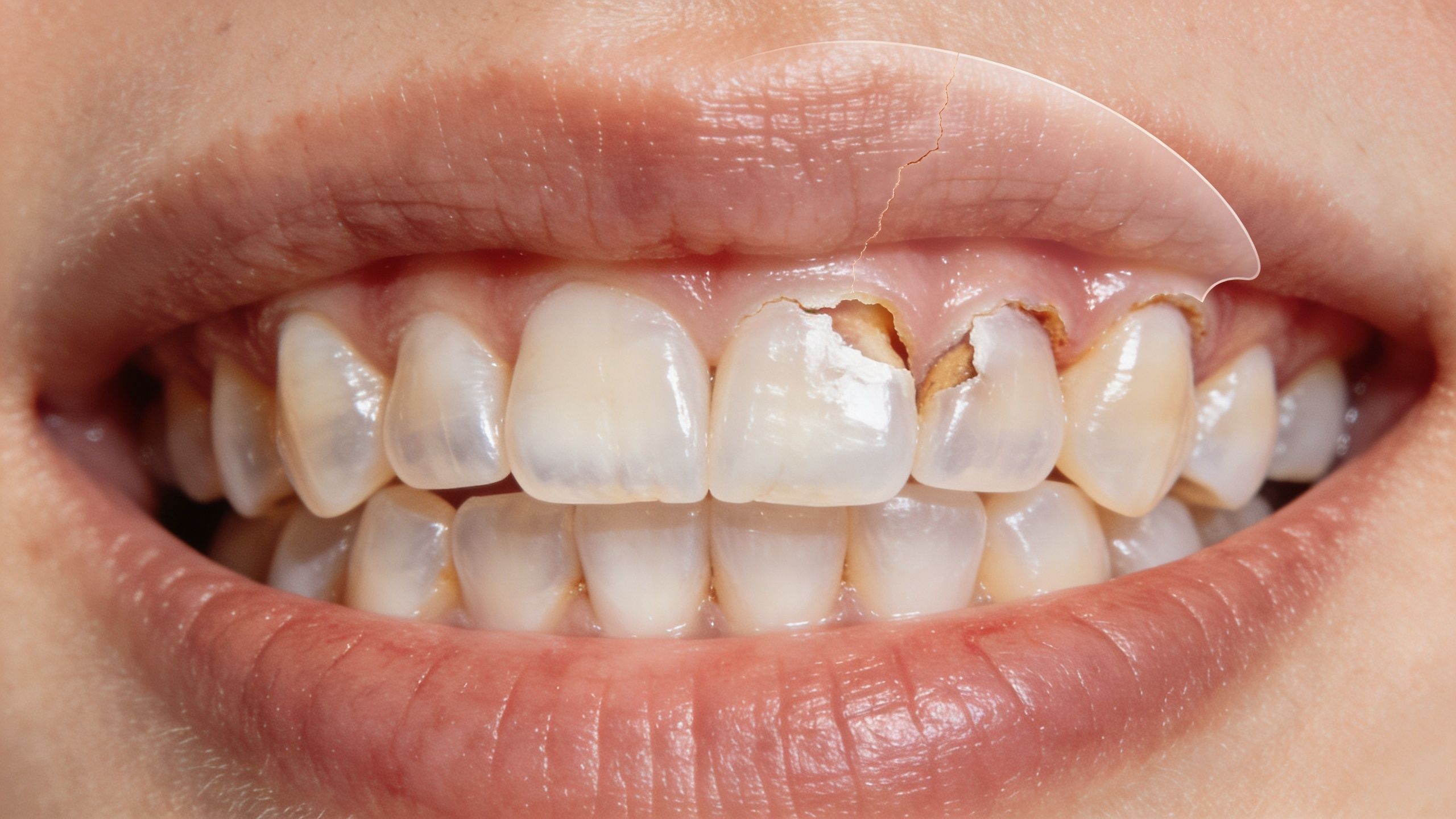
What that pressure actually does
Bruxism places repeated force on teeth for hours at a time, often during sleep when you are not aware of it. A review of clinical signs of bruxism explains that these forces can be much higher than normal chewing. Over time, that pressure can create tiny fractures, wear through enamel, expose dentin, and make teeth more likely to feel sensitive or break.
A useful comparison is rubbing the same spot on a countertop every night for years. One pass does very little. Repetition changes the surface.
That is why patients are often confused. They are not chewing ice or biting hard objects, yet a filling chips, a crown loosens, or a front tooth edge suddenly looks thinner.
Common signs patients describe
Some signs show up in the mirror. Others show up in the morning.
| Sign | What it may mean |
|---|---|
| Flattened biting edges | Ongoing wear from clenching or grinding |
| Tooth sensitivity to cold or sweets | Enamel may be thinning and dentin may be exposed |
| Chipped fillings, crowns, or veneers | Dental work may be absorbing heavy bite forces |
| Morning jaw soreness or facial fatigue | Nighttime muscle overuse |
| Frequent temple headaches | Tension in the chewing muscles |
| Clicking, tightness, or pain near the ears | Jaw joint strain or TMJ involvement |
| Poor sleep, snoring, or waking unrefreshed | A possible breathing issue that may contribute to grinding |
How grinding affects more than your smile
Your teeth do not work alone. They are part of a system that includes the jaw joints, muscles, tongue, and airway. If one part is under strain, the others often react.
For some patients, the first clue is muscle fatigue. The jaw feels as if it has been exercising all night. For others, it is broken dental work that keeps failing for no obvious reason. In another group, the bigger issue is sleep. Grinding can show up alongside disrupted breathing, and that is one reason we take symptoms like snoring, dry mouth on waking, and daytime exhaustion seriously.
Stress can absolutely play a role, as noted earlier in the article. But stress is not the only explanation, and assuming it is can delay the right care. In Bellaire, Dr. Boren looks at the whole picture so treatment is not limited to covering the damage while the underlying trigger continues.
Teeth grinding that causes pain, repeated breakage, or poor sleep deserves a closer look at the root cause.
When worn teeth become a larger functional problem
As teeth lose height, the bite can change in small ways that create bigger problems over time. Chewing may feel uneven. Front teeth may stop guiding the bite the way they should. Back teeth can start taking forces they were not meant to handle, and the muscles often respond by tightening even more.
Call a dentist promptly if you notice:
- A cracked or broken tooth
- Pain when you bite down
- Dental work that keeps chipping or coming loose
- Ongoing headaches with jaw soreness
- Trouble opening fully
- A jaw that catches, shifts, or locks
These symptoms are not always an emergency, but they should not be brushed off. Early evaluation can protect the teeth, reduce strain on the jaw, and help identify whether a sleep-related condition such as sleep apnea may be part of the problem.
How We Diagnose and Treat Grinded Teeth in Our Bellaire Office
When someone comes in with grinded down teeth, the right visit isn't rushed. The goal is to understand both the visible damage and the reason it's happening. That takes more than a quick look.
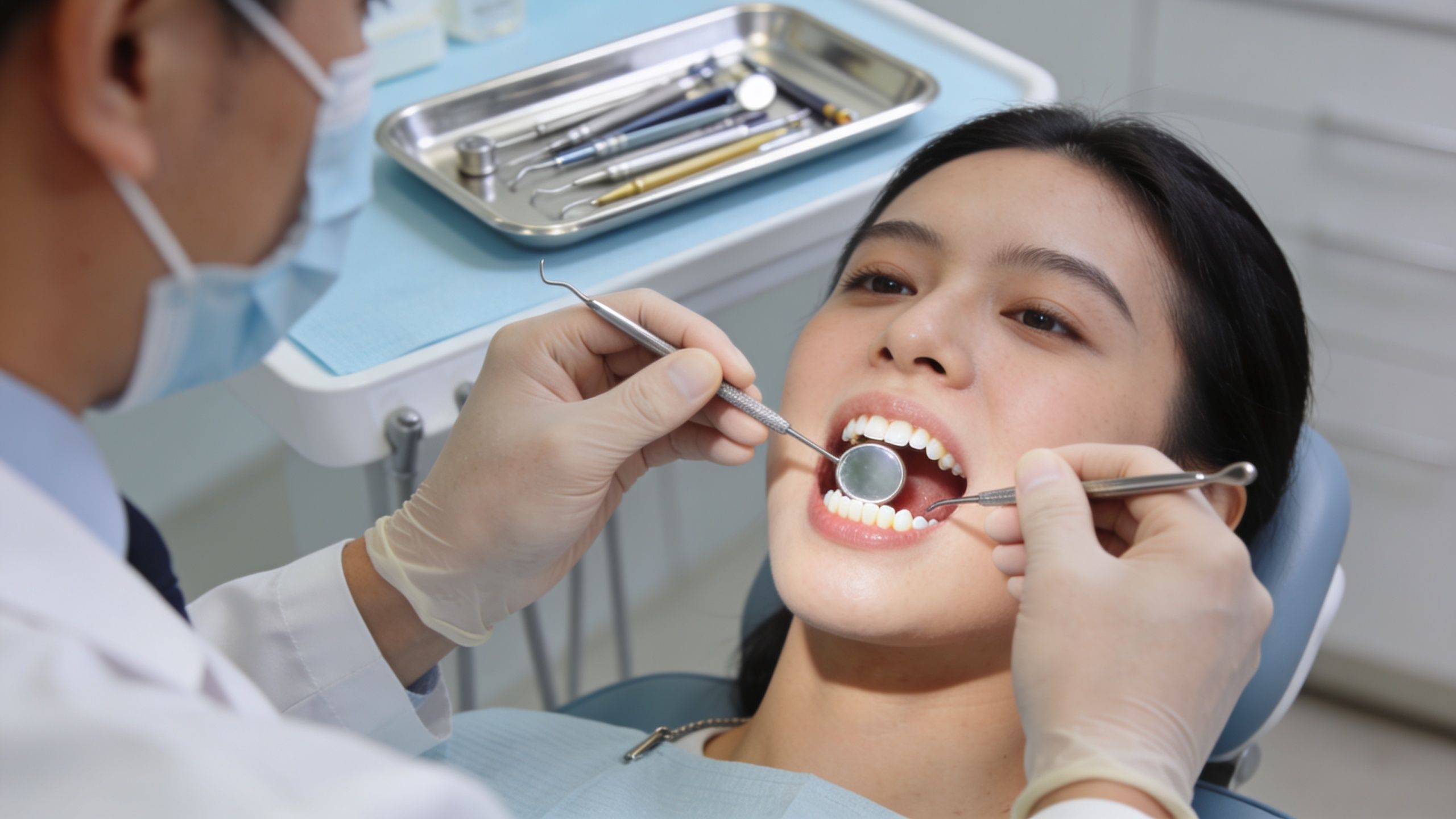
The first appointment is about pattern recognition
A thorough exam usually starts with conversation. Patients often mention one thing, like a chipped tooth, but the history reveals more. Morning headaches, snoring, facial fatigue, old crowns that broke, and sensitivity to cold all help complete the picture.
In a detailed new patient exam, the dentist may evaluate:
- Wear patterns on front and back teeth
- Dental x-rays to assess tooth structure and supporting bone
- Bite contacts to see where force is concentrated
- Jaw joint and muscle tenderness
- Existing restorations that may be under stress
- Sleep and airway clues that suggest apnea risk
Digital x-rays matter because they help identify damage that isn't obvious in the mirror. A bite analysis matters because two patients with similar-looking wear may need very different treatment plans.
Why diagnosis has to go beyond the teeth
A person searching online for cosmetic dentist near me may assume the answer is veneers. A patient looking for cleaning and exams may think the issue will be solved with a night guard alone. Sometimes either option is part of the plan. Sometimes neither is enough by itself.
When nighttime breathing looks suspicious, screening for sleep apnea becomes part of responsible dental care. If the dentist suspects that poor airflow is driving nighttime clenching, the dental plan may include coordination with a sleep physician. That's how care moves from patching damage to addressing the source.
The best treatment for grinded down teeth often combines protection, pain relief, and root-cause investigation.
Treatment options depend on what the exam shows
Some patients need immediate protection. Others need pain relief first. Others need the bite stabilized before any cosmetic work is considered.
Common approaches include:
- Custom night guards to protect enamel, restorations, and the jaw from further force
- Oral appliance therapy when a sleep-related breathing issue is part of the pattern
- TMJ therapy to reduce joint stress and muscle tension
- NTI-tss device use in selected cases involving clenching-related headache or migraine patterns
- Muscle relaxation strategies and bite guidance for daytime clenchers
- Sedation options when anxiety has delayed needed treatment
This short video gives helpful background on how dental professionals think about grinding and protection during treatment.
What a personalized plan can look like
Not every case of grinded down teeth needs the same sequence. One patient may start with a protective appliance and monitoring. Another may need TMJ-focused care before restorative work. A third may need sleep apnea coordination because the dental damage is part of a larger health issue.
A modern Bellaire dental office may also use magnification, fiber optics, digital imaging, micro air abrasion, and adhesive bonding principles to keep treatment precise and conservative. That matters because preserving healthy tooth structure is always preferable when possible.
For patients comparing options, it helps to think in three tracks:
| Track | Purpose |
|---|---|
| Protection | Prevent more wear, cracks, and restoration failure |
| Relief | Reduce jaw pain, headaches, and muscle strain |
| Reconstruction | Restore shape, strength, and appearance where damage already exists |
People often ask whether this kind of care belongs under general dentistry, restorative dentistry, or even sleep care. The answer is that severe grinding sits at the overlap of all three. That's why a thorough evaluation is so valuable.
Restoring Your Smile After Grinding Damage
Once the grinding is being managed, attention can turn to rebuilding what was lost. Treatment then becomes highly individualized. Two smiles can look equally worn and still need very different repairs.
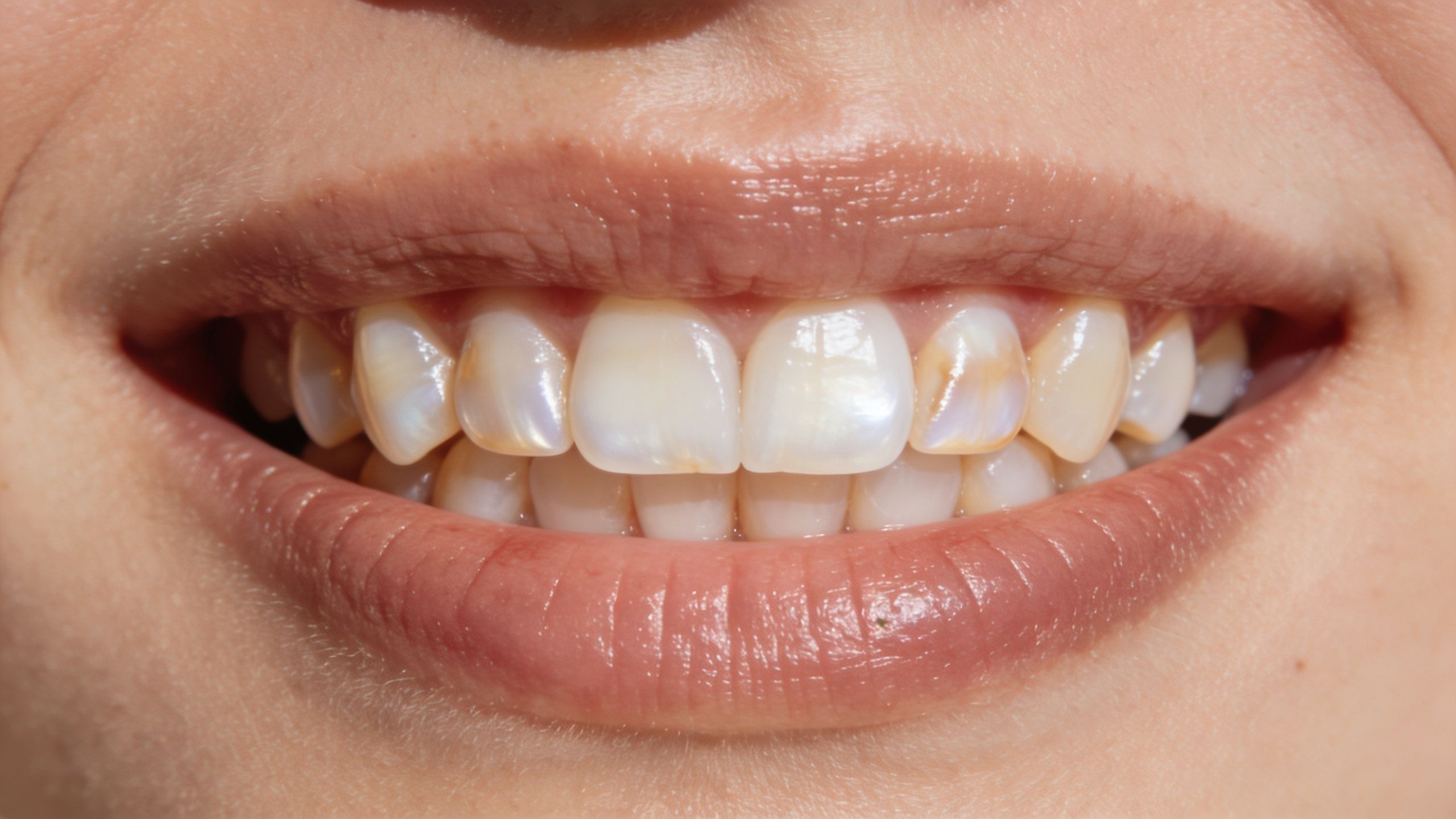
Small repairs and larger reconstructions
For minor wear, bonding can often rebuild chipped or uneven edges with a tooth-colored material. This can improve appearance quickly and protect exposed areas.
For moderate visible damage, veneers or similar conservative cosmetic options may restore length and symmetry, especially in the front of the smile.
For heavier wear, all-porcelain crowns may be the better answer because they cover and reinforce the tooth more completely. Back teeth often need strength as much as beauty.
Why prevention comes before polishing the result
A consumer-facing dental article warns that untreated teeth grinding can destroy cosmetic dentistry, and that patients with bruxism have significantly higher failure rates for porcelain restorations like veneers and crowns, making a custom night guard essential to protect the long-term success of a new smile, as discussed in this article on how untreated teeth grinding can destroy cosmetic dentistry.
That point can't be overstated. If you invest in beautiful restorations without controlling the grinding habit, you may be placing new materials into the same damaging environment that ruined the natural enamel.
Cosmetic dentistry works best when the bite is protected. Beauty lasts longer when force is managed first.
Matching the treatment to the type of damage
Here's a simple way to think about restorative choices:
- Bonding works well when edges are chipped but most tooth structure remains.
- Veneers or Lumineers may help when front teeth need cosmetic enhancement and added length.
- Crowns are often appropriate when wear is advanced or the tooth needs broad structural support.
- ClearCorrect aligners may be part of treatment when alignment is contributing to uneven force.
Sometimes a patient comes in asking about teeth whitening, but whitening alone won't solve dark, worn edges caused by exposed dentin. In those cases, color improvement may need to happen alongside shape restoration.
Patients who want a broader overview of their options can review this explanation of restorative dentistry.
Saving natural teeth when possible
Not every worn tooth needs to be removed. In many cases, conservative restoration can preserve the natural tooth. But if a tooth is too damaged to save, tooth extraction and later replacement may become part of the conversation. In some cases, dental implants near me becomes the search term patients use once the damage has gone too far.
The goal is to prevent reaching that stage. Early repair plus a plan to control bruxism usually gives patients more options and better long-term stability.
What to Expect During Your Appointment in Bellaire TX
Patients often walk into a first appointment with two worries. They want to know what's happening to their teeth, and they want to know whether the solution is going to be complicated or uncomfortable.
A good visit should lower both concerns.
The appointment should feel clear, not rushed
In a modern Bellaire office, the first visit for grinded down teeth usually feels more like a careful investigation than a sales conversation. You'll talk through what you've noticed, when the discomfort happens, whether you wake with soreness, and whether anyone has mentioned snoring or nighttime grinding.
The exam may include:
- A close visual check of worn edges, cracks, and existing dental work
- Dental x-rays and other imaging as needed
- Bite evaluation to see how your teeth meet
- Discussion of jaw symptoms such as clicking, locking, or temple headaches
- Review of goals if you're also considering cosmetic or restorative improvements
Comfort matters during planning
Patients from Bellaire, West University, and the greater Houston area often appreciate knowing there isn't a one-size-fits-all script. Some want the most conservative option first. Others want a plan that combines function and smile design. Some anxious patients need extra time, reassurance, or sedation-supported care to feel comfortable moving forward.
A thoughtful consultation also helps with cost planning. An article about treatment decisions for grinding-related damage makes an important qualitative point: understanding long-term value matters, and while some options may have lower upfront cost, investing in durable care and a preventive night guard can reduce future retreatment and damage over time, as discussed in this overview of treatment value for grinding-related tooth repair.
The least expensive fix today isn't always the smartest fix if it leaves the grinding problem active.
What patients usually leave with
By the end of the appointment, most patients should understand three things clearly:
| You should know | Why it matters |
|---|---|
| What caused the wear | Treatment works better when the cause is identified |
| What can be saved | Preserving natural teeth guides the plan |
| What comes first | Protection, pain relief, and restoration may happen in stages |
That kind of visit builds confidence. It helps you decide whether you need monitoring, a protective appliance, TMJ care, cosmetic repair, or a broader sleep-related evaluation.
Your Questions About Teeth Grinding Answered
Are store-bought night guards good enough
They can be a reasonable short-term stopgap, especially if you are trying to protect your teeth while you wait for an appointment. The problem is fit. An over-the-counter guard is made for the average mouth, and there really is no average mouth.
A custom appliance is shaped to your teeth, your bite, and the way your jaw joints work together. That matters more when teeth are already worn down, crowns or veneers need protection, or jaw pain and muscle fatigue are part of the picture. A poorly fitting guard can feel bulky, shift your bite, or fail to protect the areas taking the heaviest force.
Can grinded down teeth grow back on their own
No. Enamel does not grow back once it has been worn away.
That is why early evaluation matters, even if the teeth do not look dramatic yet. Tooth wear is a little like the tread wearing off a tire. At first, the change seems small. Over time, the tooth becomes more vulnerable to chipping, sensitivity, and shape changes that affect your bite.
The good news is that worn teeth can often be rebuilt. Depending on how much structure has been lost, treatment may include bonding, veneers, crowns, or a staged plan that restores function first and appearance next. Just as important, Dr. Boren looks for the reason the wear happened so new dental work is not left unprotected.
Do children grind their teeth too
Yes, children can grind their teeth, especially during sleep.
In kids, grinding does not always carry the same meaning it does in adults. Sometimes it is temporary. Sometimes it is connected to airway or sleep concerns, bite development, or habits that need monitoring. If you hear grinding at night, notice flattening on the teeth, or see signs like restless sleep, mouth breathing, or morning irritability, it is worth having a dentist take a closer look.
For parents, the question is usually simple. Is this a phase, or is it causing harm? An exam helps answer that before visible wear becomes harder to ignore.
How long does it take to get treatment started
That depends on what your mouth is telling us.
Some patients start with an exam, photos, and impressions for a custom guard. Others need immediate attention for a cracked tooth, broken filling, or soreness in the jaw joints. If the pattern of wear suggests nighttime airway strain or sleep apnea, the plan may also include coordination with a physician or sleep specialist. That root-cause approach is a big part of why treatment can protect more than your smile alone.
Starting sooner usually gives you more conservative options. Smaller repairs are easier to manage than larger reconstructions.
Could sleep apnea be part of why I grind my teeth
Yes, in some patients it can.
This point is often missed because people assume grinding is only a stress habit. Stress can absolutely play a role, but it is not the whole story. During sleep, the body may clench or shift the jaw in response to airway obstruction. In other words, the grinding may be a warning sign, not just the main problem.
That is one reason Dr. Boren looks beyond the worn edges of the teeth. If your history includes loud snoring, waking unrefreshed, dry mouth, morning headaches, or observed pauses in breathing, evaluating for sleep-disordered breathing may be part of the next step.
If you're dealing with grinded down teeth, jaw pain, headaches, damaged veneers or crowns, or signs that sleep apnea may be part of the problem, Charles E. Boren offers advanced, personalized dental care for Bellaire, West University, and the Houston area. Schedule a consultation to get a clear diagnosis, a practical treatment plan, and help protecting both your smile and your long-term oral health.