
Botox for TMJ Near Me: A Comprehensive Guide to Relief, Costs, and Expectations
Do you wake up with jaw pain, a clicking sound when you chew, or find yourself grinding your teeth at night? You might be one of the millions dealing with Temporomandibular Joint (TMJ) disorders.
While night guards and stress management have long been the standard treatments, a solution once famous for smoothing wrinkles is now a leading non-surgical option for dental pain. If you’re searching for “Botox for TMJ near me,” you’re likely wondering if it works, how much it costs, and who can perform the treatment.
Introduction to TMJ and its Symptoms
The temporomandibular joint is a sliding hinge that connects your jawbone to your skull. You have one on each side of your jaw. These joints, along with a complex system of muscles and ligaments, allow you to chew, speak, yawn, and swallow. When this system functions correctly, you rarely think about it. But when things go wrong, the resulting disorder—often referred to as TMD (Temporomandibular Disorder) or simply TMJ—can be debilitating.
TMJ disorders can arise from various causes, including genetics, arthritis, or jaw injury. However, one of the most common culprits is stress, which leads to unconscious clenching or grinding of the teeth (bruxism), both during the day and while sleeping.
Common symptoms include:
- Pain or tenderness in the face, jaw joint area, neck, and shoulders.
- A tired feeling in the face, especially upon waking.
- Difficulty opening the mouth wide.
- Jaws that get “stuck” or “lock” in the open- or closed-mouth position.
- Clicking, popping, or grating sounds in the jaw joint when opening or closing the mouth.
- Swelling on the side of the face.
- Frequent headaches or migraines, often originating from the temples.
- Earaches or ringing in the ears (tinnitus) without an infection presence.
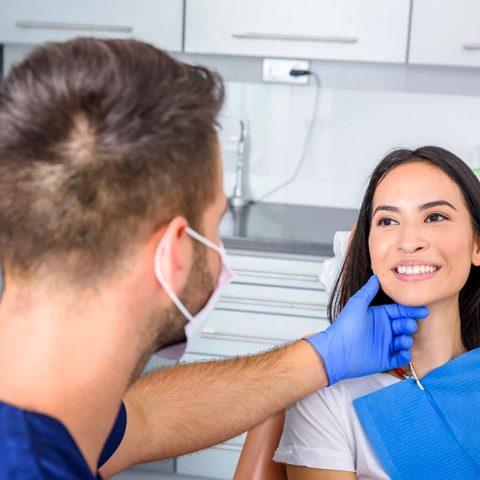
Botox for TMJ Treatment
Understanding Botox and How It Works
Botox is commonly known for reducing wrinkles like crow’s feet and frown lines, but it’s also a powerful neuromodulator used for medical treatments. By blocking nerve signals to muscles, Botox relaxes overactive muscles. This same mechanism is applied in TMJ treatment, where it targets the strong chewing muscles to provide relief.
The Mechanism of Action
Botox for TMJ treatment is injected into overactive jaw muscles, like the masseter and temporalis, to relieve tension caused by clenching and grinding. It works by relaxing these muscles, reducing their force without affecting your ability to chew or speak. This targeted approach helps ease pain and inflammation, giving your jaw the relief it needs.
Benefits of Botox for TMJ
Choosing Botox for TMJ is a decision many patients make because it offers a “middle ground” between ineffective home remedies and highly invasive surgical procedures. The benefits extend beyond simple pain relief.
Significant Pain Reduction
The primary benefit is the alleviation of tension. By relaxing the masseter and temporalis muscles, the constant strain on the jaw joint is released. This often leads to a drastic reduction in jaw soreness, neck pain, and shoulder tension.
Fewer Headaches and Migraines
Tension headaches often stem from jaw clenching. When the temporalis muscle is overworked, it can trigger severe headaches. By addressing the source of this tension, patients often experience fewer and less intense headaches.
Protection for Teeth
Chronic grinding, or bruxism, can wear down enamel, cause gum recession, and even crack teeth. A night guard only creates a barrier between the teeth but doesn’t stop the clenching action itself. Botox reduces the force of the grinding, directly protecting your teeth from damage.
Facial Slimming (Esthetic Benefit)
While the primary goal of Botox for TMJ is therapeutic, many patients also enjoy the aesthetic side effect. Overactive masseter muscles can lead to a wider, more square jawline. By relaxing these muscles, Botox can slim the face and create a softer, more oval or heart-shaped appearance.
Non-Invasive and Quick
Unlike surgery, which requires recovery time, Botox is a “lunch break” procedure. You can return to work or your daily routine immediately after the appointment.
Finding a Qualified Provider: Dr. Charles E. Boren
When you type “Botox for TMJ near me” into a search engine, you will likely find a mix of dermatologists, plastic surgeons, and dentists. It is crucial to choose a provider who specifically understands the anatomy of the jaw and the functional aspects of occlusion (how your teeth fit together).
This is why visiting a qualified dentist like Dr. Charles E. Boren is often the recommended route for TMJ-specific Botox.
While a plastic surgeon is an expert in skin and aesthetics, a dentist deals with the muscles of mastication and the temporomandibular joint daily. Dr. Boren possesses specialized knowledge regarding facial anatomy, nerve pathways, and the specific muscle groups responsible for jaw movement.
Why choose Dr. Charles E. Boren?
- Anatomical Expertise: Dr. Boren understands the precise depth and location required to safely inject the masseter muscles without affecting your smile or other facial expressions.
- Holistic Dental Approach: He can assess your TMJ in the context of your overall oral health. He can determine if your pain is purely muscular or if there are underlying issues with your bite that need addressing alongside the Botox treatment.
- Customized Dosing: Not every jaw needs the same amount of Botox. Dr. Boren tailors the dosage based on the strength of your masseter muscles and the severity of your symptoms.
Entrusting your face and jaw function to a skilled practitioner is the most important step in ensuring a safe procedure and successful results.
Botox for TMJ Treatment Service
What to Expect During a Botox for TMJ Procedure
If you have never had Botox before, the idea of injections in your face can be intimidating. However, the process is straightforward, quick, and relatively painless.
The Consultation
Your journey begins with an evaluation. Dr. Boren will examine your jaw, feel the muscles while you clench your teeth to determine their strength and size, and discuss your history of pain. This ensures that muscle tension is indeed the root cause of your TMJ issues.
The Injection Process
- Preparation: The injection sites on your cheek and temple are cleaned with alcohol or an antiseptic.
- Mapping: The provider may mark the specific points on the masseter muscle to ensure symmetry and safety.
- The Injection: Using a micro-needle (much smaller than those used for blood draws or vaccines), Dr. Boren will administer small amounts of Botox into the muscle. Most patients require 3 to 5 small injections on each side.
- Sensation: Most patients describe the feeling as a quick pinch or a bug bite. Because the needle is so fine, anesthesia is rarely needed, though a topical numbing cream can be applied if you are anxious.
Duration
The actual injection process takes about 10 to 15 minutes.
Timeline of Results
You will not feel immediate relief. Botox takes time to bind to the nerve receptors.
- Days 3-5: You may start to feel a slight softening of the tension.
- Days 7-14: This is typically when the full effect kicks in. You should notice that you cannot clench your jaw as hard as before, and the resting pain should diminish significantly.
- Duration of Effect: The results usually last between 3 to 5 months. As the muscle action gradually returns, the pain may return, indicating it is time for a maintenance dose.
Costs Associated with Botox for TMJ Treatment
One of the most common questions regarding this treatment is the price. The cost of Botox for TMJ can vary significantly based on your location, the experience of the provider, and the strength of your jaw muscles.
Pricing Models
Most clinics price Botox either by the “area” or by the “unit.” For TMJ, pricing by unit is standard because the number of units varies wildly from person to person.
- Units Needed: Treating the masseter muscles typically requires significantly more Botox than treating a forehead wrinkle. A standard cosmetic treatment might use 20 units. TMJ treatment often requires 15 to 50 units per side, depending on the bulk of the muscle.
- Average Cost: In the United States, Botox generally costs between $10 and $15 per unit. Therefore, a treatment involving 60 units total might cost between $600 and $900.
Insurance Coverage
Insurance coverage for Botox as a TMJ treatment can be complex. Since it’s considered an “off-label” use, many insurance plans classify it as a cosmetic procedure and may deny coverage.
However, some providers might cover the treatment if it’s deemed a “medical necessity”—meaning other, more conservative treatments have failed. It’s best to contact your insurance provider directly to inquire about coverage for “Chemodenervation of muscle” for facial pain. Be prepared for the possibility of paying out-of-pocket.
Potential Risks and Side Effects
Botox is generally considered safe when administered by a professional, but as with any medical procedure, there are risks.
Common, mild side effects:
- Bruising or swelling at the injection site (usually resolves in a few days).
- Mild headache immediately following the treatment.
- Flu-like symptoms (rare).
Less common, technique-dependent risks:
- “Frozen” Smile: If the Botox diffuses into the nearby risorius muscle (which controls smiling), you might experience a temporary crooked smile or difficulty smiling fully. This underscores the importance of seeing an expert like Dr. Boren who knows exactly where to inject to avoid these muscles.
- Muscle Atrophy: While some atrophy (slimming) is desired, excessive use over many years can lead to a loss of volume in the jaw that some patients may want to correct with fillers later.

Botox for TMJ Treatment Expert
Aftercare and Maintenance
Proper aftercare ensures the Botox stays where it was injected and works effectively.
- Stay Upright: Do not lie down for at least 4 hours after the procedure. This prevents the toxin from migrating to other muscles.
- No Touching: Avoid rubbing or massaging the treated area for 24 hours. You want the Botox to settle into the masseter muscle, not spread to your smile muscles.
- Avoid Strenuous Exercise: Skip the gym for 24 hours to prevent increased blood flow from dispersing the medication too quickly.
- Use the Muscles: Surprisingly, gently chewing or clenching immediately after injection can help the muscles absorb the Botox, but avoid extreme jaw movements.
Maintenance
To maintain relief, you will likely need to return for injections every 3 to 4 months. Interestingly, many patients find that after several rounds of treatment, their muscles “learn” to relax, and they can go longer between appointments or require smaller doses in the future.
Alternative Treatments for TMJ
Botox is powerful, but it isn’t the only tool in the box. Dr. Boren may recommend combining Botox with other therapies, or trying these first:
- Occlusal Splints (Night Guards): A custom-made acrylic guard worn over the teeth. It prevents tooth wear and can position the jaw in a way that relieves muscle strain.
- Physical Therapy: Exercises to stretch and strengthen the jaw muscles, along with massage and heat/ice therapy.
- Stress Management: Yoga, meditation, or counseling to address the root cause of the clenching.
- Orthodontics: If a misaligned bite is causing the jaw to shift unnaturally, braces or clear aligners might be the permanent cure.
- Arthrocentesis: A minimally invasive procedure to wash out the joint, removing debris and inflammatory byproducts.
Is Botox Right for You?
Living with chronic jaw pain can be exhausting, affecting how you eat, sleep, and feel. If conservative treatments like mouthguards and soft diets haven’t worked, Botox for TMJ could provide the relief you need. While the cost is a factor, living pain-free is often worth the investment. By relaxing the overactive jaw muscles, Botox gives your jaw joint a chance to heal and rest.
Ready to explore this option? It’s crucial to seek specialized care. A consultation with Dr. Charles E. Boren, whose expertise in dental anatomy ensures a safe and effective treatment tailored to you, is the best next step.
Charles E. Boren D.D.S., P.C.
https://maps.app.goo.gl/rhALKFmSsGQ6w8ex9
5200 Cedar St, Bellaire, TX 77401
(713) 655-7673
https://charlesborendds.com/