
Nighttime Relief: How a Mouth Guard for Teeth Grinding Improves Sleep Quality
Sleep is meant to restore and recharge, but for millions, teeth grinding—known as bruxism—turns it into a nightly struggle. This unconscious clenching and grinding can leave you with jaw pain, headaches, and poor sleep, all while damaging your oral health. Often unnoticed until symptoms arise, bruxism can disrupt your rest and leave you feeling exhausted.
The good news? A dental mouth guard offers a simple, non-invasive solution to protect your teeth and improve sleep quality. In this guide, we’ll dive into why bruxism happens, its impact on your health, and how a mouth guard for teeth grinding can help you wake up pain-free and refreshed.
Understanding Bruxism: More Than Just a Bad Habit
Bruxism is the medical term for grinding, gnashing, or clenching your teeth. While some people do this during the day (awake bruxism), sleep bruxism poses a unique challenge because it is involuntary. You cannot simply “decide” to stop doing it while you are unconscious.
The forces exerted during sleep bruxism are significant. Studies suggest that during a grinding episode, the jaw can exert up to 250 pounds of force. To put that in perspective, that is enough pressure to crack a walnut. When this force is applied to your teeth night after night, the damage is inevitable.
What Causes Teeth Grinding?
The root causes of bruxism are often multifactorial, meaning a combination of physical, psychological, and genetic factors usually plays a role.
- Stress and Anxiety: This is the most common trigger. Pent-up tension from the day often manifests physically during sleep. If you have a high-stress job or are going through a difficult life event, your jaw muscles may be working overtime while you dream.
- Sleep Disorders: There is a strong correlation between sleep apnea and bruxism. When the airway is obstructed, the body may instinctively clench the jaw to reopen the throat.
- Medications and Substances: Certain antidepressants, smoking, heavy alcohol consumption, and high caffeine intake have all been linked to increased rates of teeth grinding.
- Malocclusion: This refers to teeth that are not aligned properly. If your bite is “off,” your jaw muscles may struggle to find a comfortable resting position, leading to grinding.
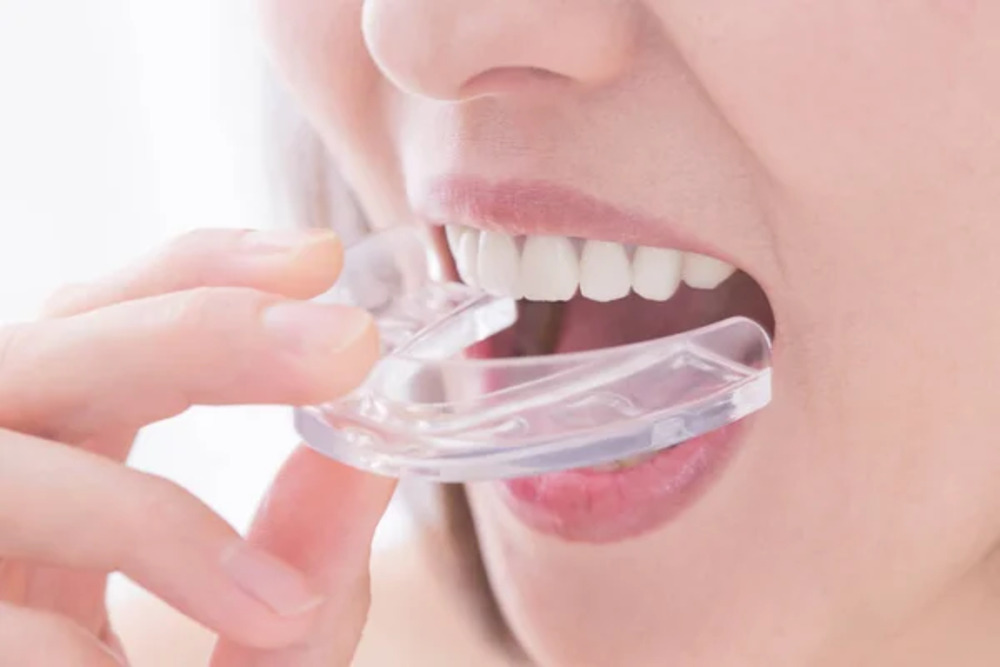
Mouth Guard for Teeth Grinding
Recognizing the Symptoms
Because sleep bruxism happens when you are asleep, many people go undiagnosed for years. However, there are tell-tale signs to look out for:
- Morning Headaches: A dull ache originating in the temples.
- Facial Pain: Soreness in the jaw, neck, or face immediately upon waking.
- Tooth Sensitivity: Worn enamel exposes the sensitive inner layers of the tooth, making hot or cold drinks painful.
- Flattened or Chipped Teeth: Your dentist is often the first to notice the physical wear and tear on your molars.
- Locked Jaw: Difficulty opening or closing your mouth fully, often accompanied by a clicking sound near the ear.
The Silent Thief of Sleep
We often think of sleep quality in terms of duration—getting your eight hours. But sleep architecture, or the cycle of sleep stages you go through, is just as important. Teeth grinding disrupts this architecture in profound ways.
When a grinding episode occurs, it triggers what researchers call “micro-arousals.” These are brief moments where your brain activity spikes, pulling you out of deep, restorative sleep into a lighter stage of sleep. You might not fully wake up or remember these moments, but they prevent you from getting the Rapid Eye Movement (REM) and deep sleep your body needs.
The consequences of this fragmented sleep accumulate over time. Chronic bruxism can lead to:
- Daytime Fatigue: Despite spending enough time in bed, you feel lethargic and unrefreshed.
- Reduced Cognitive Function: Lack of deep sleep impairs focus, memory, and decision-making skills.
- Mood Instability: Chronic sleep deprivation is a known contributor to irritability, anxiety, and depression.
- Physical Pain: Waking up in pain sets a negative tone for the day. Chronic jaw and neck pain can make it difficult to concentrate on work or enjoy daily activities.
Traditional Solutions and Their Limitations
Before diving into mouth guards, it is worth noting that treating bruxism often involves a holistic approach. Addressing the root cause is essential.
- Stress Management: Techniques such as meditation, yoga, and cognitive-behavioral therapy (CBT) can help reduce the anxiety that fuels grinding. While effective for some, these methods take time to master and may not stop the grinding immediately.
- Muscle Relaxants: In severe cases, doctors may prescribe muscle relaxants to be taken before bed. However, these come with side effects like drowsiness and are generally not a long-term solution.
- Botox Injections: A newer treatment involves injecting Botox into the masseter muscles (the large jaw muscles) to weaken them enough to stop the grinding but not enough to affect eating or talking. This can be effective but is expensive and requires repeated treatments every few months.
While these methods have merit, they often fail to provide immediate protection for the teeth. This is where the mechanical barrier of a mouth guard becomes indispensable.
The Mouth Guard Solution
A mouth guard (also called a night guard or occlusal splint) is a device worn over the teeth during sleep. It acts as a protective barrier between the upper and lower teeth.
The concept is simple but effective. When you clench your jaw while wearing a guard, the pressure is distributed evenly across the device rather than being concentrated on specific teeth. Furthermore, the soft or semi-rigid material of the guard cushions the impact, reducing the strain on the jaw muscles and the temporomandibular joint (TMJ).
Dr. Charles E. Boren, a noted expert in dental health, emphasizes the importance of intervention. According to Dr. Boren, protecting the tooth structure is paramount. Once enamel is worn away, it does not grow back. He advocates for the use of mouth guards not just as a treatment for pain, but as a preventative measure to save patients from costly restorative dental work—like crowns and root canals—down the line.
By creating a physical separation, the mouth guard essentially “de-programs” the jaw muscles. The slight change in vertical dimension (how open your jaw is) helps the muscles relax, reducing the urge to grind in the first place.
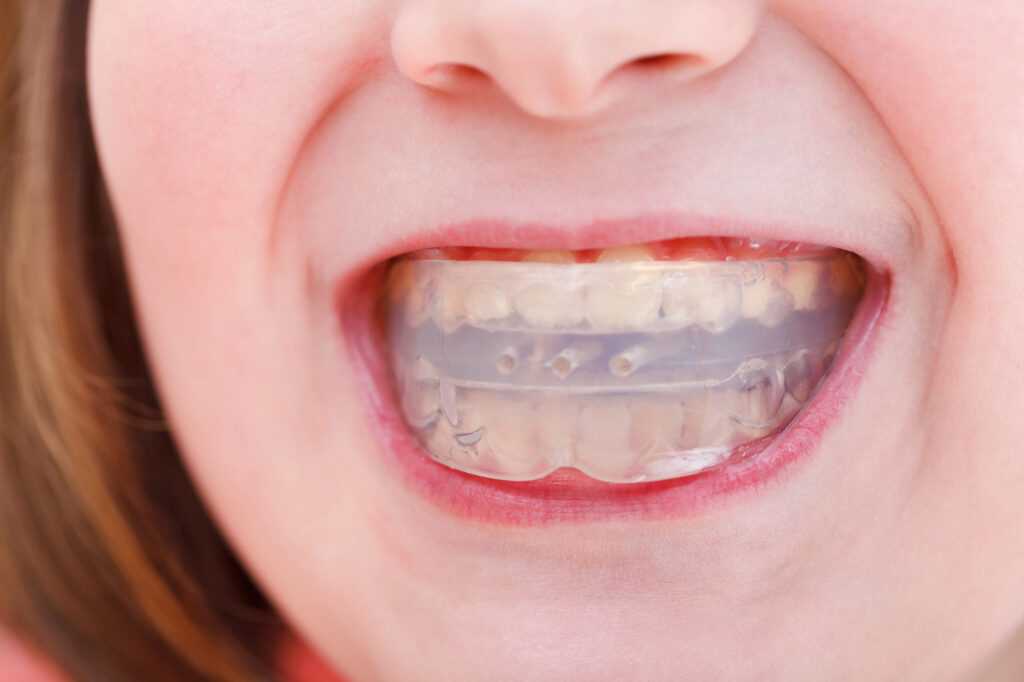
Mouth Guard Implant for Teeth Grinding
Types of Mouth Guards: Which is Right for You?
Not all mouth guards are created equal. They generally fall into three categories, ranging from inexpensive over-the-counter options to professional dental appliances.
Stock Mouth Protectors
These are pre-formed and ready to wear straight out of the package. You can find them at most pharmacies or sporting goods stores.
- Pros: Very inexpensive and immediately available.
- Cons: They offer the worst fit. Because they are “one size fits all,” they are often bulky, making breathing and sleeping difficult. They offer little protection against heavy grinding and can sometimes exacerbate the issue by giving the user something soft to chew on.
Boil-and-Bite Mouth Guards
These are also available at drugstores but offer a better fit than stock guards. You place the thermoplastic material in hot water to soften it, then bite down to mold it to your teeth.
- Pros: Affordable and offers a semi-custom fit.
- Cons: The material is often thinner and less durable than professional guards. Achieving a perfect fit can be tricky; if the mold isn’t accurate, the guard can feel uncomfortable or fall out during sleep.
Custom-Fitted Night Guards
These are crafted in a dental laboratory based on a precise impression of your teeth taken by your dentist.
- Pros: Superior comfort, durability, and protection. They are designed specifically for your mouth, meaning they stay in place and don’t impede breathing. They can be adjusted for thickness depending on the severity of your grinding.
- Cons: They are the most expensive option and take time to manufacture.
The Benefits of Using a Mouth Guard
Investing in a proper night guard yields benefits that extend far beyond just saving your teeth.
Better Sleep Quality
By reducing the muscle activity required to grind, your body can relax more deeply. The cessation of pain signals from the jaw allows the brain to transition smoothly through sleep cycles, resulting in fewer micro-arousals and more restorative rest.
Reduction of Headaches and Facial Pain
Many chronic tension headaches stem from the jaw. By cushioning the clenching force, a mouth guard relieves the tension in the temporalis muscle (on the side of the head), significantly reducing the frequency and intensity of morning headaches.
Prevention of Dental Damage
This is the most direct benefit. A guard prevents tooth wear, cracks, and fractures. It protects existing dental work, such as veneers or crowns, which can be easily damaged by the forces of bruxism.
Long-Term TMJ Health
The temporomandibular joint is complex and delicate. Chronic teeth grinding can displace the disc within the joint, leading to permanent popping, clicking, or locking of the jaw (TMD). A mouth guard helps position the jaw in a neutral, stress-free position, preserving the joint’s health.
Financial Savings
While a custom guard might seem like an upfront investment, it is significantly cheaper than the cost of reconstructing a mouth full of damaged teeth. Think of it as an insurance policy for your smile.
How to Choose the Right Mouth Guard
Selecting the right device depends on the severity of your condition and your budget.
Consult Your Dentist
Before buying anything, see a professional. Your dentist can assess the wear patterns on your teeth to determine if you are a light clencher or a heavy grinder. They can also check for underlying issues like sleep apnea, which a standard mouth guard might worsen.
Consider Material Hardness
- Soft Guards: Best for light grinders or those who mostly clench. They are comfortable but less durable.
- Dual Laminate Guards: Hard on the outside, soft on the inside. Good for moderate to heavy grinders.
- Hard Acrylic Guards: Best for severe grinders and those with TMJ issues. They are rigid and extremely durable.
Prioritize Comfort
If a guard isn’t comfortable, you won’t wear it. This is why stock guards often fail—they end up on the nightstand rather than in the mouth. If you have tried over-the-counter options and found them bulky, a custom guard is likely the only solution that will work for you.
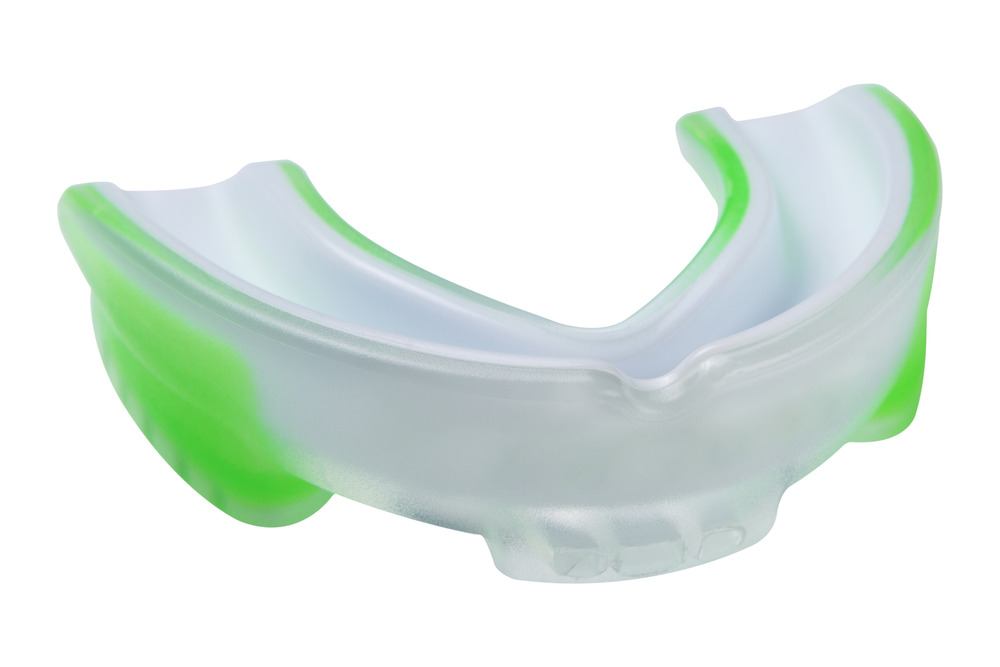
Teeth Grinding Mouth Guard Provider
Proper Care and Maintenance
To ensure your mouth guard protects you effectively and remains hygienic, it requires daily care.
- Rinse Immediately: As soon as you wake up, rinse the guard with warm (not hot) water to remove debris and saliva.
- Brush Gently: Use a soft toothbrush and mild soap or non-abrasive toothpaste to clean the guard. Avoid harsh cleaners that can damage the material.
- Dry Completely: Bacteria thrive in moisture. Allow your guard to air dry completely on a clean surface before placing it back in its case.
- Deep Clean Weekly: Once a week, soak your guard in a denture cleaner or a specialized mouth guard cleaner to kill bacteria and remove stains.
- Store Correctly: Keep the guard in a sturdy, vented case. Keep it away from pets (dogs love to chew on them!) and direct sunlight or high heat, which can warp the shape.
- Bring it to Checkups: Bring your guard to every dental appointment. Your dentist can check it for wear and tear and ensure it still fits properly.
Wake Up to a Better Tomorrow
Teeth grinding is a destructive force that operates in the shadows of your sleep. It robs you of energy, causes chronic pain, and slowly destroys your smile. But you do not have to accept waking up with a sore jaw as your normal reality.
Dr. Charles E. Boren and dental professionals worldwide agree: protecting your teeth is essential for long-term health. A mouth guard is a simple, effective tool that creates a buffer against the stresses of the night. Whether you opt for a drugstore solution or a custom-made appliance, taking action against bruxism is the first step toward better sleep.
Charles E. Boren D.D.S., P.C.
https://maps.app.goo.gl/rhALKFmSsGQ6w8ex9
5200 Cedar St, Bellaire, TX 77401
(713) 655-7673
https://charlesborendds.com/