
How Much Is Invisalign and What Affects the Price?
Thinking about straightening your teeth but hesitant about traditional metal braces? You’re not alone. For many teens and adults, the “metal mouth” look is a major drawback. Invisalign offers a clear, removable, and comfortable alternative, making it a popular choice for discreet orthodontic treatment.
But once you’ve decided on Invisalign, the big question is: “How much does it cost?”
Knowing how much is Invisalign isn’t a simple, one-size-fits-all number. It’s a personalized medical treatment tailored to your specific needs. This guide will break down the factors that influence the cost and help you understand the financial investment required to achieve your perfect smile.
Key Factors That Influence Invisalign Pricing
When you see advertisements for Invisalign, you might notice a wide range of prices or monthly payment estimates. This variability exists because Invisalign is not a “one size fits all” product. It is a customized medical device, and several key factors dictate the resources required to treat your specific case.
Complexity of Your Dental Alignment
The primary driver of cost is the severity of your orthodontic issues. A patient who simply needs to close a small gap between their front teeth will require fewer resources than a patient correcting a severe overbite, crossbite, or significant crowding.
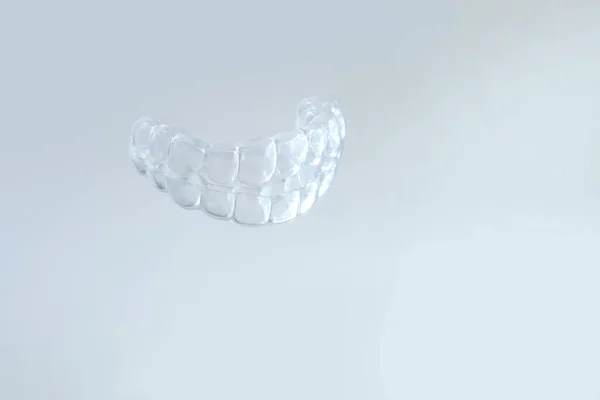
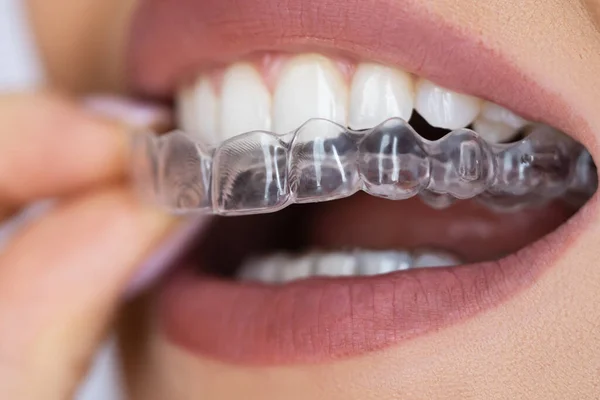
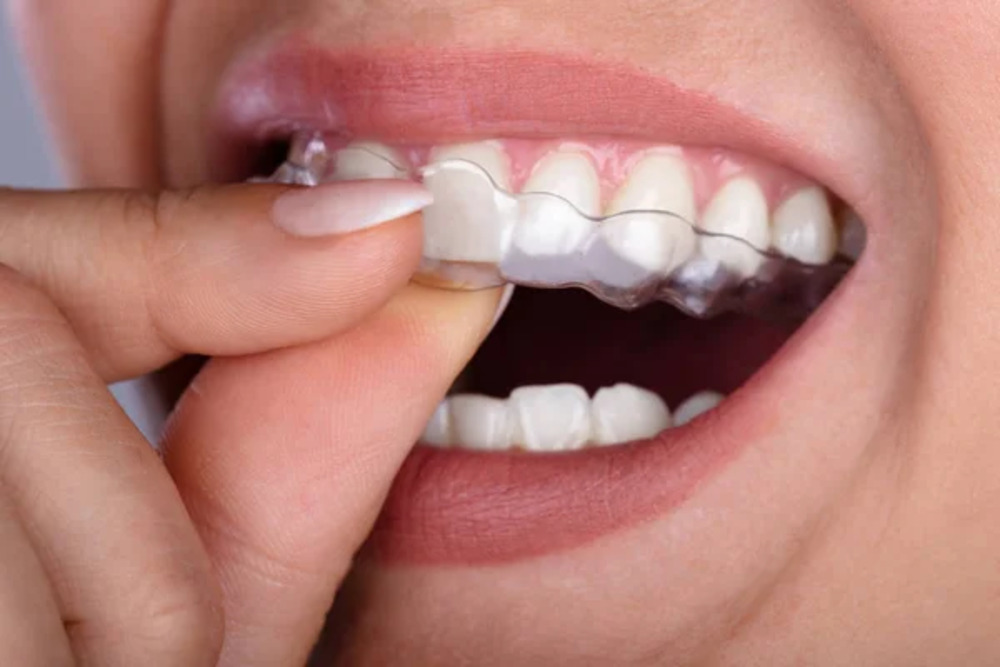
Invisalign works by using a series of trays, or “aligners,” that are swapped out every week or two. Each tray moves the teeth slightly.
- Simple cases: Might require only 10 to 20 trays and can be completed in six months.
- Complex cases: May require 40 or more trays, along with “attachments” (small, tooth-colored bumps bonded to teeth to help the aligners grip) or rubber bands.
More complex cases require more office visits, more digital planning time from your orthodontist, and higher lab fees paid to Align Technology (the makers of Invisalign) for the fabrication of the trays.
Length of Treatment
Time is money, especially in healthcare. The duration of your treatment is directly tied to the complexity mentioned above. A treatment plan that spans 18 to 24 months requires more check-ups and monitoring than a plan that takes six months. Dr. Charles E. Boren and other providers invest significant time monitoring progress to ensure teeth are tracking correctly. Longer treatment times equate to higher overhead costs for the dental practice, which is reflected in the final fee.
Geographic Location
Just as the cost of rent and groceries varies depending on where you live, so does dental care. Practices located in major metropolitan areas like New York City or San Francisco generally have higher operating costs (rent, salaries, utilities) compared to practices in rural areas or smaller towns. These overhead costs are often factored into the pricing of services.
Provider Experience and Expertise
Who you choose to oversee your treatment matters. Orthodontists—specialists who have completed additional years of training specifically in tooth movement—may charge differently than general dentists. Furthermore, Invisalign assigns “tiers” to providers (such as Platinum or Diamond) based on the number of cases they treat annually.
Highly experienced providers who have successfully treated thousands of smiles may charge a premium for their expertise. However, this expertise often translates to more efficient treatment plans and better results, potentially saving you money on revisions or extended treatment times later.
Invisalign Cost
The Average Cost of Invisalign
While it is difficult to give an exact number without an examination, we can look at national averages to provide a baseline.
- Express/Lite treatments: These are for very minor corrections.
- Full/Comprehensive treatments: These address standard cases involving bite correction and alignment.
Comparison to Traditional Braces
A common misconception is that Invisalign aligner is astronomically more expensive than metal braces. In reality, the price gap has closed significantly in recent years. Traditional metal braces generally have a similar cost.
While braces can sometimes be slightly cheaper for complex cases, Invisalign is often comparable in price. When you factor in the aesthetic benefits and the convenience of being able to remove the trays to eat and clean your teeth, many patients find the value of Invisalign far outweighs a marginal price difference.
Additional Costs You Should Anticipate
When budgeting for your new smile, it is important to look beyond the advertised sticker price. Ask your provider for a comprehensive quote that includes the “before” and “after” costs of treatment.
Consultation Fees
Many orthodontic offices offer free initial consultations to assess your smile and determine if you are a candidate for Invisalign. However, some practices charge a diagnostic fee. This fee often covers the X-rays, 3D digital scans (using technology like the iTero scanner), and the time the doctor spends creating your treatment roadmap. If you proceed with treatment, this fee is often applied toward your total balance.
Retainers
The day you finish your last Invisalign tray is a day for celebration, but it isn’t the end of the journey. To keep your teeth from shifting back to their original positions (a phenomenon known as orthodontic relapse), you must wear retainers.
Most providers recommend Vivera retainers, which are made by the same company as Invisalign. These are thicker and more durable than active aligners. A set of retainers can be costly. Some treatment plans include the first set of retainers in the total cost, while others list it as a separate line item. Always clarify this during your consultation.
Replacement Aligners
Invisalign only works if the trays are in your mouth. But life happens—trays get wrapped in napkins and thrown away at restaurants, or chewed up by the family dog. If you lose or damage an aligner, you may need a replacement. While some plans build in a buffer for a few lost trays, many will charge a fee for ordering replacements.
Navigating Insurance Coverage
One of the best ways to reduce your out-of-pocket expenses is to leverage dental insurance. Many dental insurance plans include a benefit for orthodontic treatment.
How to Check Your Coverage
Review your benefits booklet or online portal for “Orthodontia” coverage. You will typically see it expressed as a percentage (e.g., 50% coverage) up to a lifetime maximum.
Questions to Ask Your Provider
When speaking with your insurance company or the financial coordinator at Dr. Charles E. Boren’s office, ask the following:
- Does my plan cover orthodontic treatment for adults? (Some plans only cover dependents up to age 19).
- Is there a waiting period before orthodontic benefits kick in?
- Is Invisalign specifically covered, or does the plan only cover traditional braces? (This distinction is becoming rare, but it still exists).
- Is the network status of the dentist relevant to the coverage amount?
Invisalign Implant Cost
Financing Options to Make Treatment Affordable
If you don’t have insurance, or if you still have a balance after insurance pays its share, don’t panic. Very few people pay for Invisalign implant in a single lump sum. There are several ways to break the cost down into manageable monthly payments.
In-House Payment Plans
Many dental offices offer flexible, interest-free payment plans. This usually involves a down payment at the start of treatment, followed by monthly payments spread out over the duration of your care. This is often the most affordable option as it avoids interest charges.
Third-Party Financing
Companies like CareCredit or LendingClub specifically cater to healthcare expenses. They act like a credit card for medical needs. You can often qualify for low-interest or no-interest financing if the balance is paid within a promotional period (usually 12 to 24 months). This allows you to start treatment immediately without a large upfront payment.
FSAs and HSAs
If your employer offers a Flexible Spending Account (FSA) or Health Savings Account (HSA), you have a powerful tool at your disposal. These accounts allow you to set aside pre-tax dollars for medical expenses.
- FSA: Use it or lose it. You generally have to use these funds by the end of the calendar year.
- HSA: Funds roll over year to year.
Using pre-tax money essentially saves you the equivalent of your income tax rate on the cost of your treatment.
How to Save Money on Invisalign
While quality healthcare is an investment, there are smart ways to minimize the cost without compromising on safety or results.
Look for Seasonal Promotions: Many dental offices run specials during specific times of the year (like New Year’s or Back-to-School season), offering discounts on full cases.
Get Multiple Quotes: It is perfectly acceptable to consult with two or three providers. This gives you a better sense of the fair market price in your area and helps you find a doctor you trust.
Pay in Full: Some practices offer a “bookkeeping discount” (often 3-5%) if you pay the entire treatment cost upfront with cash or check, as it saves them administrative costs.
Invisalign vs. DIY Mail-Order Aligners
In an effort to save money, many consumers are tempted by direct-to-consumer (DIY) aligner companies. These brands promise to straighten teeth for a fraction of the cost of Invisalign, often without ever seeing a dentist in person.
While the lower price tag is appealing, it comes with significant risks.
- Lack of Supervision: With Invisalign, you see a doctor regularly. They check your gum health, ensure teeth are moving safely, and adjust the plan if things go off track. DIY options lack this hands-on supervision.
- Periodontal Damage: Moving teeth too fast or moving them when underlying gum disease is present can lead to tooth loss or permanent damage to the jawbone.
- Limited Capabilities: DIY aligners typically only move the front six teeth. They cannot correct bite issues or complex misalignment.
Invisalign is a medical procedure, not a cosmetic product. The safety and expertise provided by professional supervision are worth the difference in cost.
Invisalign Implant Service
Is Invisalign Worth the Investment?
When analyzing the price of Invisalign, it helps to view it as a lifetime investment rather than a temporary expense. A straight smile is linked to better oral health; crowded teeth are harder to clean and more prone to decay and gum disease. Furthermore, the confidence boost that comes from a smile you love can have positive ripple effects on your personal and professional life.
While the upfront numbers can seem high, the combination of insurance, financing, and tax-advantaged accounts makes it accessible for most budgets. Ultimately, you are paying for the technology, the convenience, and the expert oversight that ensures your smile is healthy and stable for years to come.
Ready to Transform Your Smile?
If you are ready to stop guessing about prices and start planning your new smile, the best next step is a professional consultation.
Dr. Charles E. Boren and his team can provide you with a detailed, personalized quote based on your unique dental needs. They will walk you through your insurance benefits, financing options, and treatment timeline so you can make an informed decision with zero surprises.
Charles E. Boren D.D.S., P.C.
https://maps.app.goo.gl/rhALKFmSsGQ6w8ex9
5200 Cedar St, Bellaire, TX 77401
(713) 655-7673
https://charlesborendds.com/