
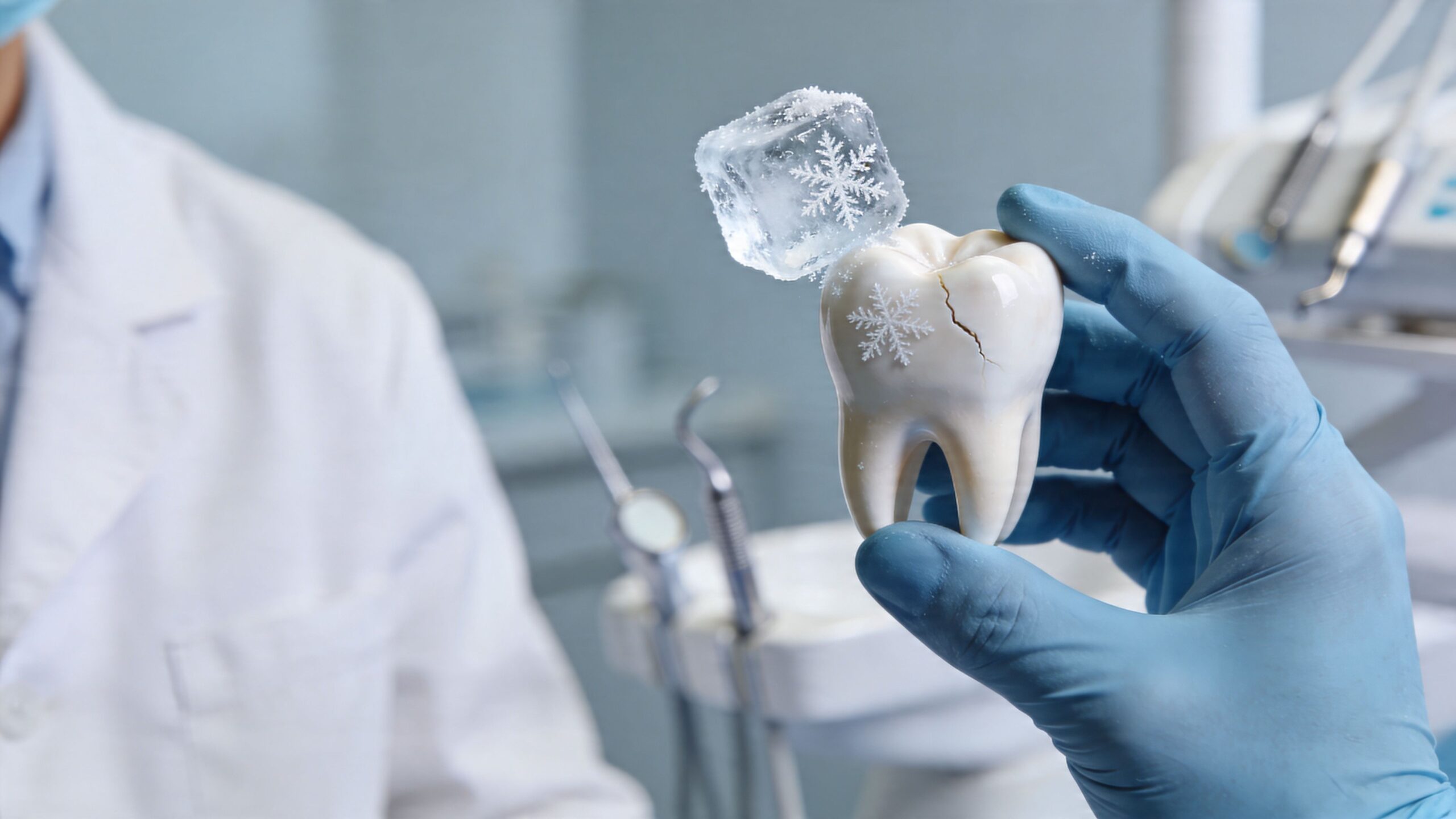
A sip of iced water shouldn’t make you freeze in your chair. But for a lot of people, that sharp zing is the moment they start searching, why are my teeth sensitive to cold.
Sometimes it happens with ice cream. Sometimes it’s cold air hitting one side of your mouth when you walk outside. Sometimes it seems to come out of nowhere, even though your teeth looked fine yesterday. That can feel confusing, especially if you brush regularly and haven’t had a major dental problem before.
The reassuring part is this. Cold sensitivity is common, and in many cases, it’s treatable once you identify the reason behind it. The key is figuring out whether you’re dealing with exposed dentin, grinding-related wear, gum recession, a cracked tooth, or a problem that needs faster attention.
- Finding a Dentist in Bellaire for Your Tooth Sensitivity
- The Science Behind That Sudden Jolt of Pain
- Common Causes of Cold-Sensitive Teeth
- When Sensitivity Signals a More Serious Dental Problem
- The Hidden Link Between Jaw Pain and Sensitive Teeth
- Professional Treatments for Tooth Sensitivity in Bellaire
- What to Expect During Your New Patient Exam
- Find Relief from Tooth Sensitivity in Bellaire Today
Finding a Dentist in Bellaire for Your Tooth Sensitivity
Individuals don’t start by thinking, “I may have dentin hypersensitivity.” They start by wincing.
You take a drink from a cold bottle at lunch in Bellaire, and one tooth answers with a fast, electric jolt. Later that evening, even breathing in cool air feels unpleasant. By the next morning, you’re wondering whether this is something minor, or something that’s about to turn into a bigger dental problem.
That’s a common situation for patients in Bellaire, West University, and Houston. Cold sensitivity can interrupt ordinary moments, from finishing a smoothie to enjoying a cold dessert with your family. It also creates a different kind of stress. People often don’t know whether to wait, switch toothpaste, or call an emergency dentist.
Why this symptom deserves attention
Cold-sensitive teeth aren’t always a sign of serious disease, but they are a sign that something has changed. The tooth’s normal protection may be thinner, the root may be exposed, a filling may no longer be sealing well, or a crack may be starting to open under pressure.
When that happens, the goal isn’t just to dull the symptom. The goal is to identify the cause.
A sensitive tooth is giving you information. The problem is that it doesn’t tell you the cause by itself.
If you’ve been looking for a dentist near me or a dentist in Bellaire, TX because cold drinks have become uncomfortable, you’re not overreacting. You’re doing the right thing by paying attention early, before a small issue becomes harder to treat.
Local care matters
A local exam is useful because sensitivity often needs a hands-on diagnosis. A dentist can check the gumline, test the exact tooth, review bite wear, and take dental x-rays if needed. That matters whether you need routine dental care, cosmetic dentistry, restorative dentistry, or help from an emergency dentist for sudden pain.
The Science Behind That Sudden Jolt of Pain
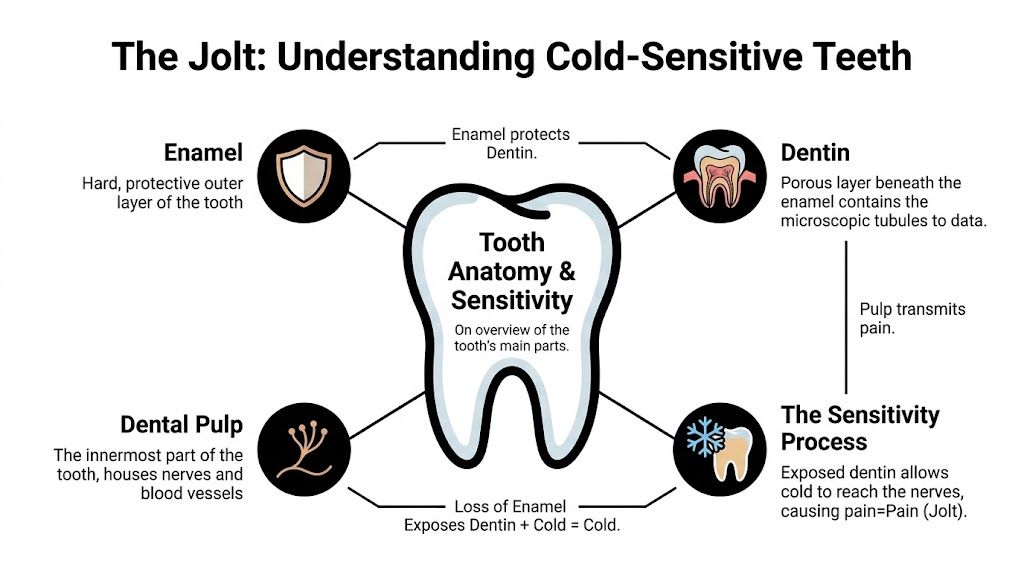
A tooth has layers. The outside is enamel, which is the hard protective shell. Under that is dentin, and dentin isn’t solid like enamel. It contains tiny channels that lead inward. In the center is the pulp, where the nerve and blood supply live.
The easiest way to picture it is to think of enamel as insulation on a wire. When the insulation is intact, outside temperatures don’t bother the wire much. When that insulation gets thin or missing, the signal gets through too easily.
What dentin does
Dentin contains microscopic tubules. You can think of them like thousands of tiny straws running from the outer part of the tooth toward the nerve. When dentin becomes exposed, cold can affect the fluid inside those tubules.
That fluid movement is the basis of hydrodynamic theory. Cold makes the fluid shift, and that shift stimulates the tooth’s nerve system. The result is the sharp, sudden pain many people know immediately.
Why cold feels so specific
A lot of patients ask why cold hurts more than other things. One reason is that cold can trigger a very fast reaction inside those dentin tubules. A Mass General report on the cold sensor in teeth explains that researchers identified TRPC5 ion channels in odontoblasts as the specific molecular cold sensor. That helps explain why exposed areas can feel so reactive, especially when gum recession reveals more of the root area over time.
Practical rule: Cold sensitivity isn’t random. It usually means the tooth has lost some natural protection, and the inner structures are reacting more directly than they should.
Why this matters for treatment
Once you understand that the pain is traveling through exposed pathways, the treatments make more sense. Bonding, sealants, desensitizing products, and other conservative options all aim to block or calm those pathways. They’re not just “covering up pain.” They’re addressing the route the sensation takes.
Common Causes of Cold-Sensitive Teeth
Cold sensitivity has more than one cause, which is why two people can describe the same symptom and need very different treatment. In general dental practices, dentin hypersensitivity affects about 12.3% of patients, and affected patients average 3.5 sensitive teeth according to a clinical study published in the NIH archive. That makes it common enough to see regularly in both routine and cosmetic dental care.
Enamel wear and erosion
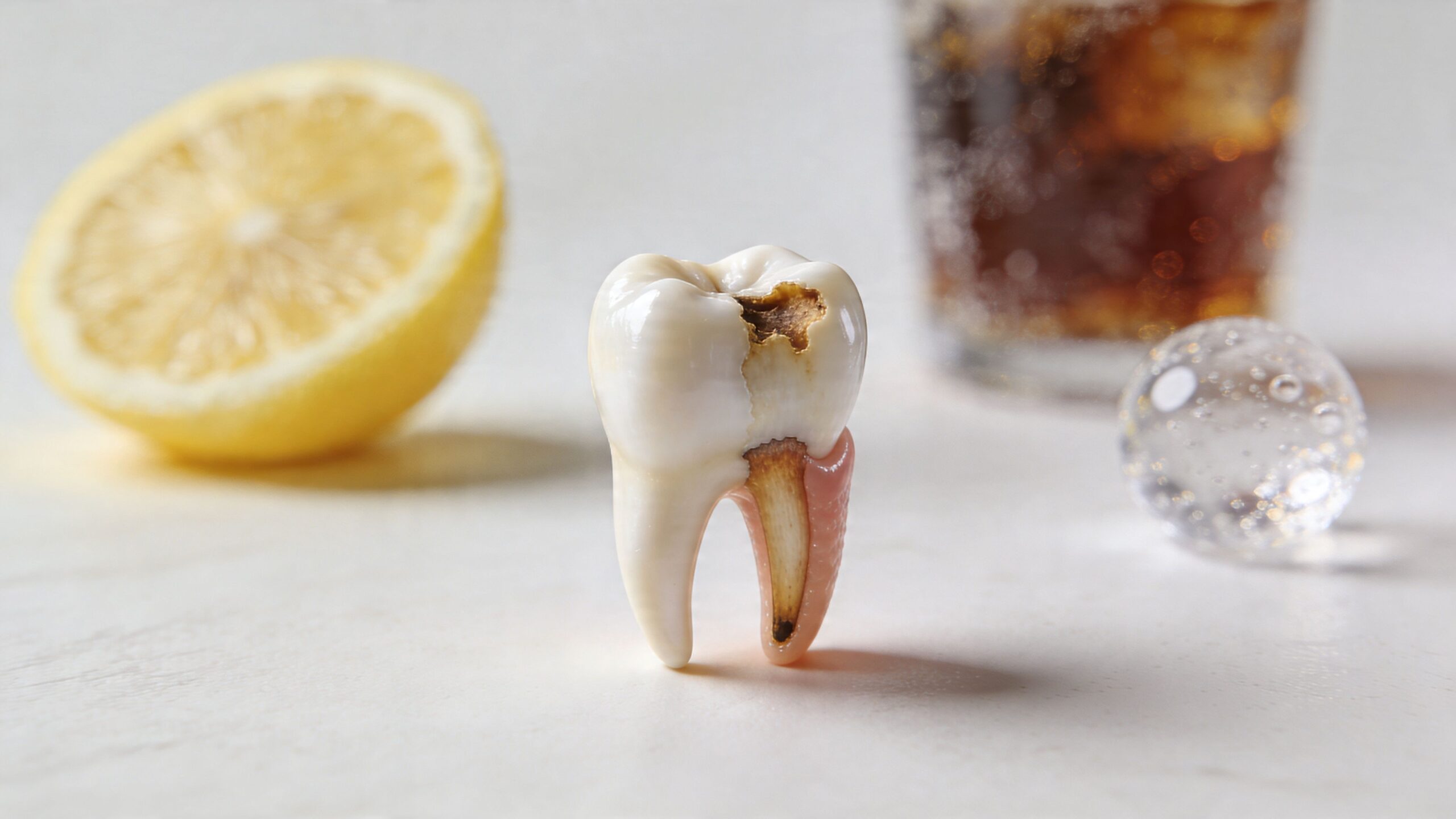
Enamel can wear down slowly. Acidic drinks, frequent snacking on sour foods, reflux, or nightly grinding can all leave the tooth less protected than before. Many patients don’t notice the change until cold starts reaching the dentin underneath.
In Bellaire and Houston, this can show up in everyday habits. Sparkling water with citrus, sports drinks, and frequent coffee with acidic add-ins can all add to wear over time.
Gum recession and root exposure
Sometimes the enamel isn’t the main issue. The gumline has moved, and the root surface is now more exposed. Root surfaces are more vulnerable than the crown of the tooth, so cold air and cold liquids can trigger sensitivity quickly.
If you’ve noticed teeth looking longer than before, or you can see notches near the gumline, recession may be part of the problem. In some cases, gum inflammation is involved. If you want a plain-language overview of how gum problems develop, this guide to periodontal disease is a helpful patient resource.
Other common triggers
Several other causes can create the same symptom:
- A cavity starting near the surface can create a weak point where cold gets in more easily.
- A loose or worn filling may leave a gap that lets temperature changes reach the tooth.
- A crack in the enamel can open under pressure when you bite.
- Mouth breathing can dry the mouth, which matters because saliva helps protect teeth.
- Whitening treatments can make some teeth more reactive for a period of time.
This short video gives a simple visual explanation of common sensitivity triggers.
Why people get confused
Patients often expect one bad tooth to mean one obvious cavity. But sensitivity can be widespread. You may have several teeth reacting because the underlying issue is overall enamel wear, generalized gum recession, or bite-related stress. That’s why home remedies sometimes help only a little. They may calm symptoms without identifying the source.
When Sensitivity Signals a More Serious Dental Problem
Some cold sensitivity is brief and manageable. Some isn’t. The pattern matters.
If the pain is a fast, short burst and then stops, that often points to exposed dentin. If the pain lingers after the cold is gone, becomes deeper or throbbing, or wakes you up at night, the tooth may be dealing with inflammation inside the pulp.
Short pain versus lingering pain
According to a clinical explanation of cold-sensitive tooth pain, cold can trigger sharp, quick bursts via Aδ-fibers in simple dentin exposure. If the pain turns into a dull, lingering ache, it may involve C-fibers, which can signal pulpitis. That same source notes that untreated pulp inflammation increases the risk of more serious complications by 20-30%.
That’s why the duration of the pain matters as much as the intensity.
If one tooth suddenly becomes much more sensitive than the others, don’t assume it’s routine sensitivity.
Signs you shouldn’t ignore
You should schedule an exam promptly if you notice any of these:
- One specific tooth hurts every time you drink something cold
- The pain lingers instead of fading quickly
- You feel pain when biting, especially on release
- There’s visible damage such as a chipped edge or dark spot
- The gum looks swollen around the area
A crack is one of the easier problems to miss without a proper exam. If you suspect that may be part of the issue, this page on how to fix a cracked tooth gives a useful overview of what dentists look for.
Why diagnosis matters
Sensitivity isn’t a diagnosis. It’s a symptom. A dentist may need to combine an exam, bite testing, magnification, and digital x-rays to tell the difference between exposed dentin, a cavity, a failing restoration, or an early crack.
That precision matters because the right treatment for a worn gumline is very different from the right treatment for an infected tooth.
The Hidden Link Between Jaw Pain and Sensitive Teeth
A lot of people separate these problems in their minds. Jaw pain is one issue. Sensitive teeth are another. Headaches are something else entirely.
But they often travel together.
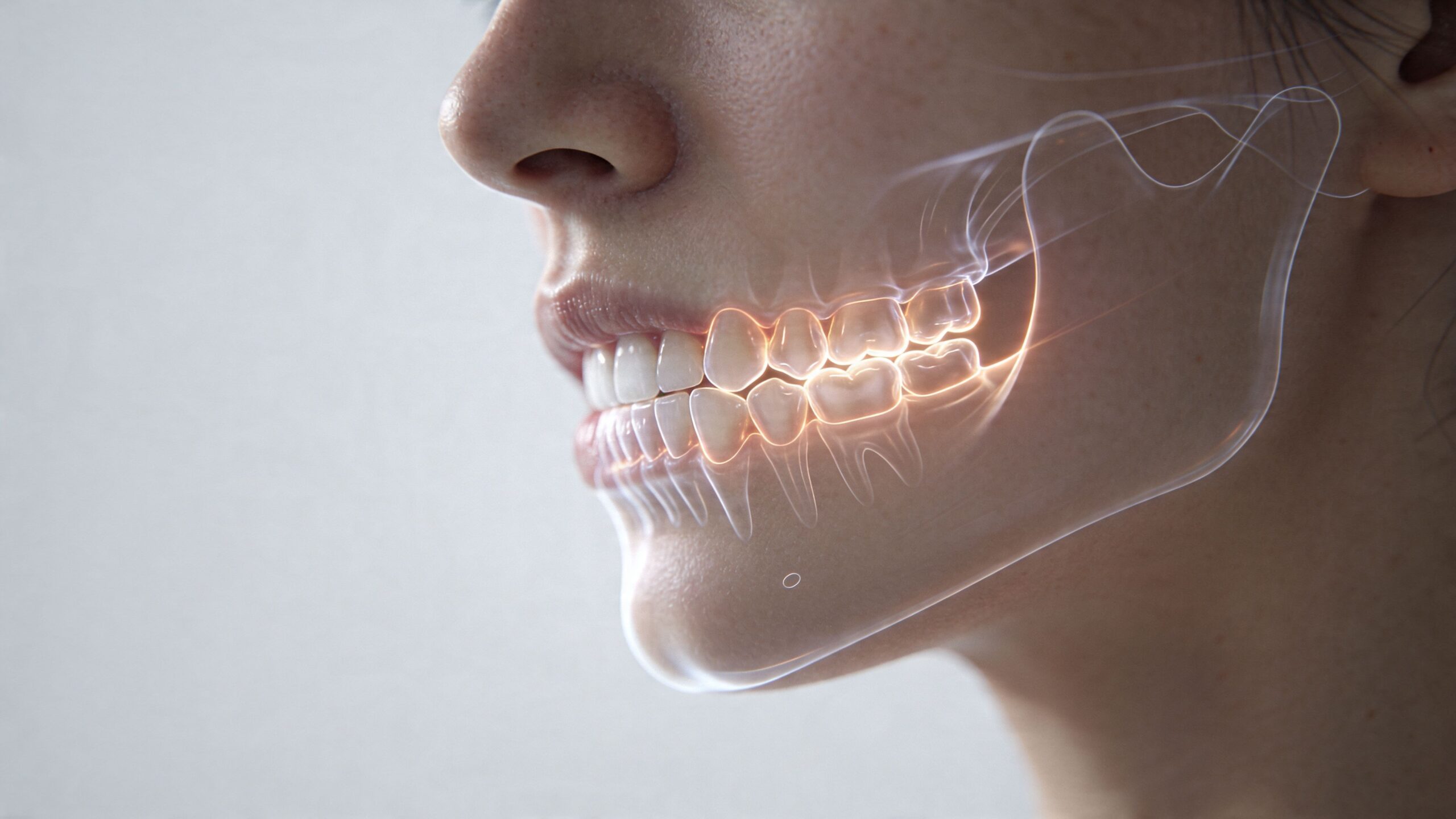
If you clench or grind your teeth, your bite can place repeated pressure on enamel and the gumline. Over time, that can wear tooth structure down, create tiny cracks, and contribute to recession. Then cold drinks, cold air, and even rinsing with cool water start to hurt.
How grinding changes your teeth
Bruxism isn’t just a nighttime habit. It’s a source of mechanical stress. A discussion of grinding-related cold sensitivity notes that bruxism affects 30-50% of adults, and custom appliances such as the NTI-tss device can reduce grinding forces by 60-80%.
Those numbers matter because they explain why sensitivity can show up across multiple teeth, not just one. Grinding tends to create broad wear patterns.
Clues that your sensitivity may be bite-related
If any of these sound familiar, the bite may be part of the picture:
- Morning jaw soreness that eases during the day
- Tension headaches or facial fatigue
- Flattened or worn tooth edges
- Sensitivity in several teeth at once
- A history of clenching during stress
Some patients also benefit from gentle self-care between visits. For people with jaw tightness, this Jaw Exercises Guide can help you understand simple movement patterns that support more relaxed function.
Jaw tension can damage teeth quietly. By the time cold starts hurting, the bite may have been overloading the teeth for a long time.
Why TMJ care can help sensitivity
A standard sensitivity approach may prove inadequate. If the core problem is active grinding, desensitizing toothpaste alone won’t stop ongoing wear. You need to reduce the force that keeps creating the damage.
For readers dealing with jaw symptoms along with cold sensitivity, this overview of a Houston TMJ specialist shows how bite analysis and oral appliances can be part of a more complete solution.
Professional Treatments for Tooth Sensitivity in Bellaire
Once the cause is clear, treatment usually becomes much more straightforward. The right solution depends on whether the issue is exposed dentin, bite wear, recession, a cavity, a crack, or a restoration that no longer seals well.
The encouraging news is that many cases respond well to conservative care.
Conservative first steps
For milder sensitivity, a dentist may recommend desensitizing products or in-office treatments that help calm the tooth and protect exposed areas. These options work best when the tooth structure is still healthy and the goal is to strengthen or seal vulnerable surfaces.
If your sensitivity is mainly to cold but not hot, that can be a useful clue. A patient explanation of cold-only sensitivity notes that this pattern often points to reversible dentin exposure without severe pulp damage, which is one reason bonding or sealants can be highly effective in the right cases.
Minimally invasive repair
When the tooth needs more than a toothpaste change, the goal is often to close off exposed pathways without removing more tooth structure than necessary. Common approaches include:
- Bonding to cover exposed dentin near the gumline
- Sealants or protective coatings to reduce direct stimulation
- Micro air abrasion when minor surface correction is appropriate
- Adjustment of the bite if heavy contact is overloading certain teeth
This is one place where a conservative philosophy matters. You don’t want a large procedure for a small problem if a simpler one can solve it comfortably.
Cosmetic and restorative options
Some patients discover that sensitivity and appearance are tied together. Worn edges, recession, and enamel loss may affect how the smile looks as well as how the teeth feel.
Depending on the case, treatment may involve restorative dentistry or cosmetic dentistry, such as:
| Situation | Possible dental approach |
|---|---|
| Exposed root area near the gumline | Bonding or sealant |
| Worn front teeth with appearance concerns | Veneers or other cosmetic coverage |
| Larger structural damage | Crown or other restorative protection |
| Bite-related wear with crowding concerns | Clear aligner planning alongside protection |
If you’ve been searching for a cosmetic dentist near me, this is worth remembering. Cosmetic treatment isn’t only about color or shape. In the right case, it can also help shield vulnerable tooth surfaces and make the smile more comfortable.
What to Expect During Your New Patient Exam
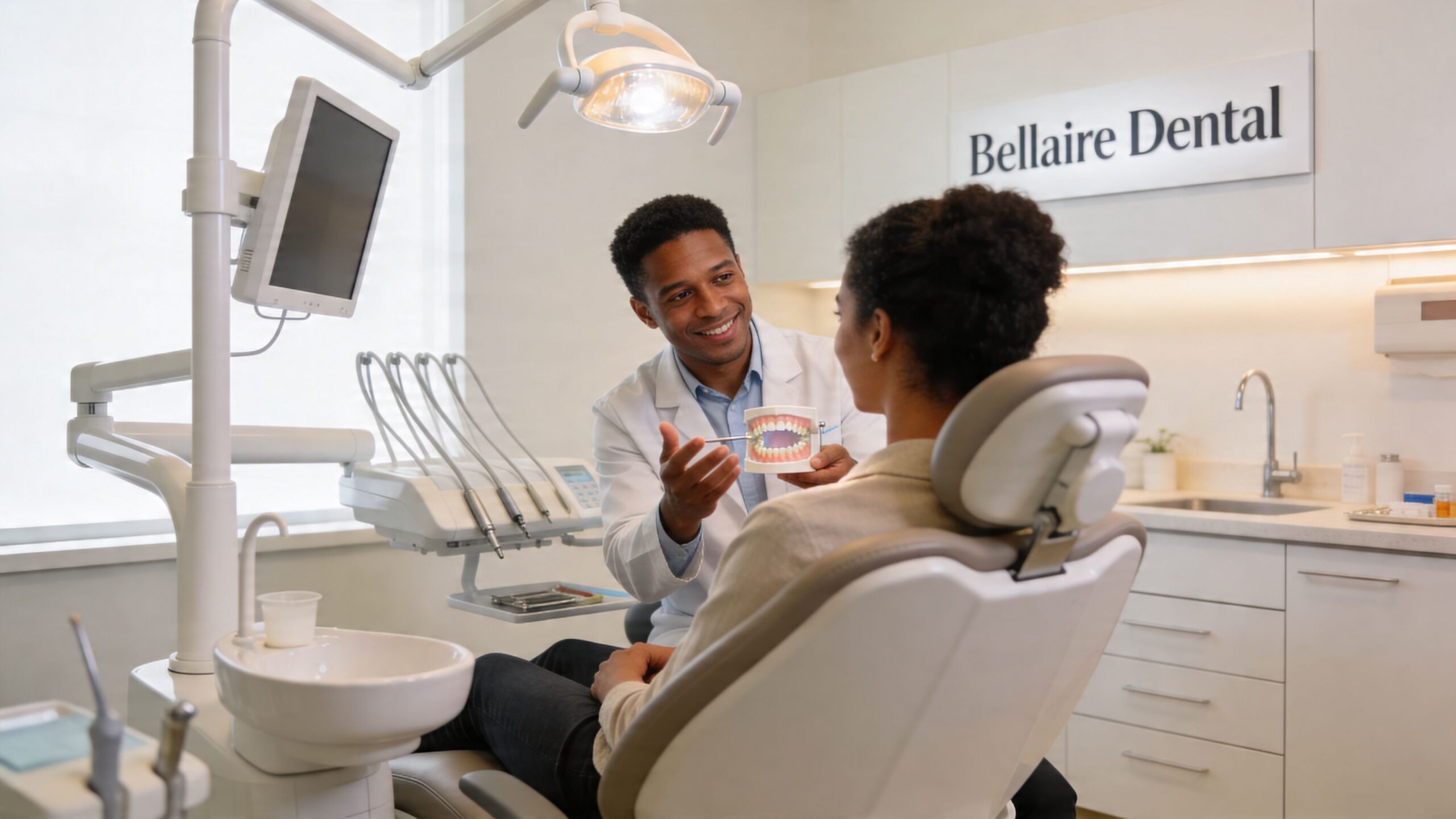
For many people, the hardest part is booking the first visit. They’re not sure whether the appointment will be rushed, whether the dentist will listen, or whether they’ll leave with more confusion than they came in with.
A good new patient exam should feel calm and clear.
What happens first
You’ll start by talking. That conversation matters more than patients sometimes expect. A dentist will want to know when the sensitivity started, whether it’s one tooth or several, what triggers it, whether the pain lingers, and whether you also have jaw pain, grinding, headaches, or recent whitening.
That history helps narrow the possibilities before any treatment is discussed.
The exam itself
A thorough exam may include visual inspection, checking the gumline, looking for worn enamel, testing the bite, and taking dental x-rays when needed. If you’re new to the office, this also gives the team a baseline for your long-term dental care, cleanings and exams, and any restorative or cosmetic needs.
Patients who are also concerned about bigger treatment questions often appreciate hearing options in plain language. You should expect a dentist to explain what was found, what can wait, and what should be handled first.
Good dental visits reduce uncertainty. You should leave knowing what’s causing the pain and what the next step is.
Comfort matters too
If dental visits make you anxious, say so early. That isn’t unusual, and it shouldn’t stop you from getting care. Comfort-focused offices can talk through the appointment pace, explain each step before it happens, and discuss sedation dentistry options when appropriate.
That’s especially helpful if sensitivity has made you avoid cold air, chewing on one side, or scheduling a long-overdue new patient exam.
Find Relief from Tooth Sensitivity in Bellaire Today
Cold sensitivity usually doesn’t fix itself by guesswork. The symptom may come from enamel wear, gum recession, a crack, grinding, cosmetic side effects, or a developing cavity. Until you know which one it is, you’re left trying random products and hoping they work.
A better approach is to get the tooth checked while the problem is still manageable.
If you live in Bellaire, West University, or the Houston area and you’ve been searching for a dentist near me, emergency dentist, or help with tooth pain that shows up with cold drinks or cold air, an exam can give you a clear answer. You may need a simple desensitizing treatment. You may need bonding. You may need bite protection or restorative care. The important part is knowing.
Many patients are relieved to learn that sensitivity is treatable, and that treatment can often be conservative when caught early. You don’t have to keep avoiding iced drinks, chewing on one side, or wondering whether one sensitive tooth is turning into something more serious.
If you’re ready for answers, schedule a visit with Charles E. Boren. Patients in Bellaire, TX, West University, and Houston can get a careful evaluation, clear explanation, and a personalized plan to relieve cold sensitivity and protect long-term oral health.