

Teeth Grinding Treatment for Better Sleep and Oral Health
Waking up with a dull headache or an aching jaw can quickly ruin your morning. For millions of adults, these symptoms point to a common but often overlooked condition known as bruxism, or teeth grinding. Many people grind or clench their teeth during the night without ever realizing it, only discovering the problem when a dentist notices unusual wear on their enamel.
Bruxism is incredibly common, affecting people of all ages. While occasional teeth grinding might not cause immediate harm, chronic bruxism can lead to severe dental issues and significantly disrupt your rest. Addressing this condition early is vital for maintaining your overall well-being. By understanding the root causes and exploring modern teeth grinding treatment options, you can protect your smile and finally get a good night’s rest.
- What Causes Teeth Grinding?
- How Bruxism Affects Your Oral Health
- The Connection Between Bruxism and Sleep Quality
- Diagnosing Bruxism
- Effective Treatments for Teeth Grinding
- Preventive Measures for Bruxism
- Why Choose Dr. Charles E. Boren for Bruxism Treatment
- Take Control of Your Oral Health and Sleep
What Causes Teeth Grinding?
Understanding why you grind your teeth is the first step toward finding relief. Bruxism rarely has a single cause. Instead, it usually develops from a combination of physical, psychological, and lifestyle factors.
Stress and Anxiety
Mental health plays a massive role in oral habits. High levels of stress and daily anxiety frequently manifest physically during sleep. When your mind cannot fully relax, your jaw muscles often tense up, leading to severe clenching and grinding throughout the night.
Sleep Disorders
There is a strong link between bruxism and sleep-disordered breathing. Conditions like obstructive sleep apnea interrupt normal breathing patterns. As the body struggles for air, the brain forces the jaw muscles to contract to open the airway, resulting in aggressive teeth grinding.
Lifestyle Factors
What you consume directly impacts your sleep quality. High caffeine intake, especially later in the day, stimulates brain activity and muscle tension. Similarly, heavy alcohol consumption and smoking disrupt deep sleep phases, increasing the likelihood of nocturnal grinding.
Genetics and Medical Conditions
Sometimes, bruxism simply runs in the family. If your parents grind their teeth, you might be genetically predisposed to do the same. Certain medications, particularly some antidepressants, list bruxism as a side effect.
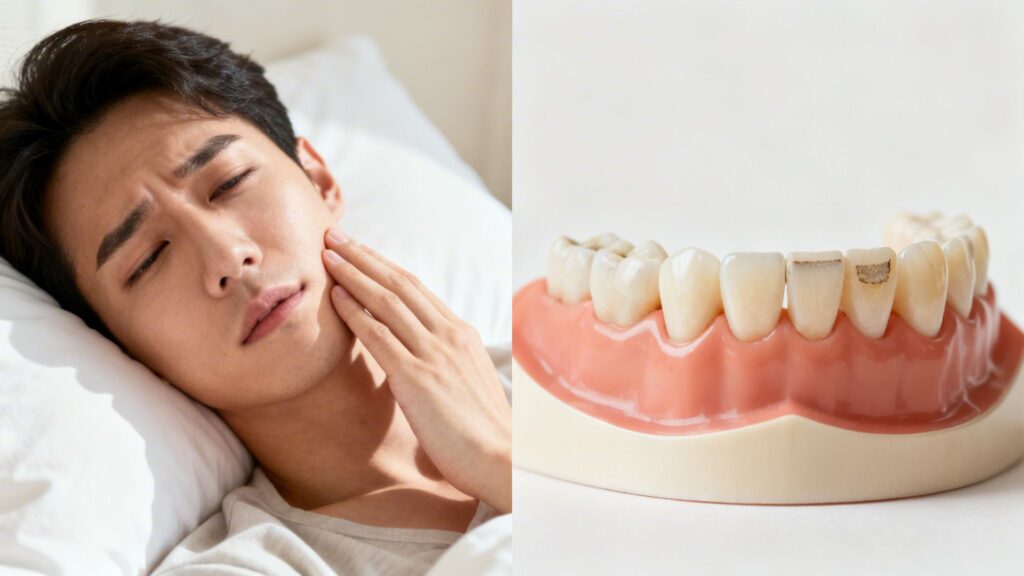
Teeth Grinding Treatment
How Bruxism Affects Your Oral Health
The human jaw can exert an incredible amount of force. When you grind your teeth unconsciously, especially during sleep, you apply intense pressure that your teeth were never designed to withstand. Over time, this takes a serious toll on your oral health.
Damage to Tooth Enamel
Your tooth enamel serves as the hardest substance in the human body, but chronic grinding can wear it away. As the enamel thins, the softer, more sensitive dentin layer beneath becomes exposed. This leads to heightened tooth sensitivity, making it painful to consume hot, cold, or sweet foods and drinks. Eventually, the teeth can become flattened, chipped, or visibly fractured.
TMJ Disorders and Facial Pain
The temporomandibular joints (TMJ) connect your lower jaw to your skull. When you constantly clench your jaw, you overwork the muscles surrounding these joints. This leads to TMJ disorders, characterized by clicking or popping sounds when you open your mouth, restricted jaw movement, and persistent pain in the face, neck, and shoulders.
Long-Term Consequences
If left untreated, severe bruxism can result in tooth loss. The constant pressure weakens the supporting structures around the teeth, causing them to loosen over time. Extensive restorative dental work, such as crowns, bridges, or implants, often becomes necessary to repair the damage. Acting early prevents these costly and painful long-term consequences.
The Connection Between Bruxism and Sleep Quality
Bruxism and sleep share a complicated, cyclical relationship. Poor sleep can cause teeth grinding, and teeth grinding can cause poor sleep. Breaking this cycle remains vital for restoring your overall well-being.
Disrupting Sleep Patterns
Every time you grind your teeth at night, your brain receives a signal that pulls you out of deep sleep. Even if you do not fully wake up, these micro-arousals disrupt your sleep architecture. You spend less time in the restorative stages of sleep, leaving you feeling exhausted and groggy the next day, regardless of how many hours you spent in bed.
The Cycle of Stress and Poor Sleep
A lack of quality rest lowers your resilience to stress. When you feel tired, minor inconveniences feel overwhelming, which increases your anxiety levels. Because stress triggers bruxism, this heightened anxiety causes you to grind your teeth more the following night, creating a frustrating cycle that degrades your physical and mental health.
Signs Bruxism Is Affecting Your Rest
If you sleep for seven to eight hours but still wake up feeling unrefreshed, bruxism might be the culprit. Other signs include morning headaches that originate at the temples, a stiff neck, and complaints from a partner about grinding noises during the night.
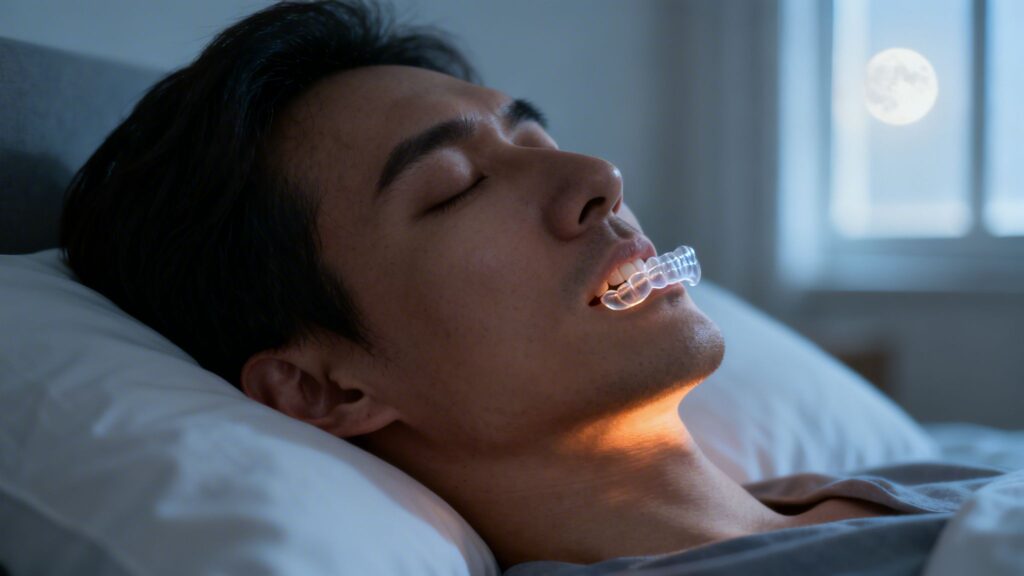
Teeth Grinding Treatment Service
Diagnosing Bruxism
Because sleep bruxism occurs unconsciously, dentists usually serve as the first line of defense in diagnosing the condition. Regular dental check-ups remain essential for catching the early warning signs.
The Role of Your Dentist
During a routine exam, your dentist will look for physical evidence of grinding. They check for flattened chewing surfaces, micro-cracks in the enamel, and recession of the gums caused by excessive pressure. They will also feel your jaw muscles for tenderness and check your TMJ for abnormal clicking or limited range of motion.
Diagnostic Tools
To confirm a diagnosis and determine the extent of the issue, a dentist may use several diagnostic tools. Bite analysis helps evaluate how your teeth come together and identifies points of excessive friction. Dental impressions or digital scans can track changes in your tooth structure over time. If your dentist suspects sleep apnea is the root cause, they may refer you to a sleep specialist for a comprehensive sleep study.
When to Seek Professional Help
Do not wait for your next scheduled cleaning if you experience persistent jaw pain, headaches upon waking, or noticeable changes to your teeth. Seek professional help immediately. Early intervention prevents irreversible damage to your smile and stops the progression of TMJ disorders.
Effective Treatments for Teeth Grinding
While no single cure exists for bruxism, a variety of effective treatments can manage the symptoms, protect your teeth, and alleviate muscle tension. The right approach depends on the underlying cause of your specific condition.
Custom Night Guards
A custom-fitted night guard is the most common and effective treatment for sleep bruxism. Unlike over-the-counter mouthguards, a custom guard is molded precisely to your teeth by your dentist. It creates a protective barrier between your upper and lower teeth, absorbing the force of the grinding and preventing enamel damage. It also helps position the jaw properly, reducing muscle strain.
Lifestyle and Behavioral Changes
If stress drives your bruxism, behavioral modifications can help. Cognitive-behavioral therapy (CBT) provides tools to manage anxiety and change habits. Simple lifestyle adjustments, such as cutting back on caffeine and alcohol in the late afternoon and evening, can also reduce nighttime muscle tension. Quitting smoking significantly lowers the risk of sleep bruxism.
Medical Interventions
For severe cases that do not respond to standard treatments, medical interventions may become necessary. Botox injections into the jaw muscles temporarily paralyze the muscles responsible for clenching, providing relief for several months at a time. If a sleep disorder like sleep apnea causes the bruxism, using a CPAP machine or a specialized dental appliance to keep the airway open will often stop the grinding entirely.
Preventive Measures for Bruxism
Prevention requires a proactive approach to managing your physical and mental health. By making a few targeted changes to your routine, you can lower your risk of developing bruxism or reduce the frequency of flare-ups.
Reducing Stress and Tension
Incorporate stress-reduction techniques into your daily schedule. Yoga, meditation, deep breathing exercises, and regular physical activity all help release pent-up tension. Before bed, establish a calming routine. Take a warm bath, read a book, or listen to soothing music to signal to your body that it is time to relax.
Maintaining Good Sleep Hygiene
Create an environment conducive to restful sleep. Keep your bedroom cool, dark, and quiet. Limit screen time for at least an hour before bed, as the blue light from phones and tablets interferes with your brain’s production of melatonin. Establish a consistent sleep schedule by going to bed and waking up at the same time every day, even on weekends.
Regular Dental Check-ups
Visit your dentist at least twice a year. Regular monitoring allows your dental team to catch minor signs of wear before they turn into major problems. If you already use a night guard, bring it to your appointments so your dentist can check it for wear and ensure it still fits correctly.
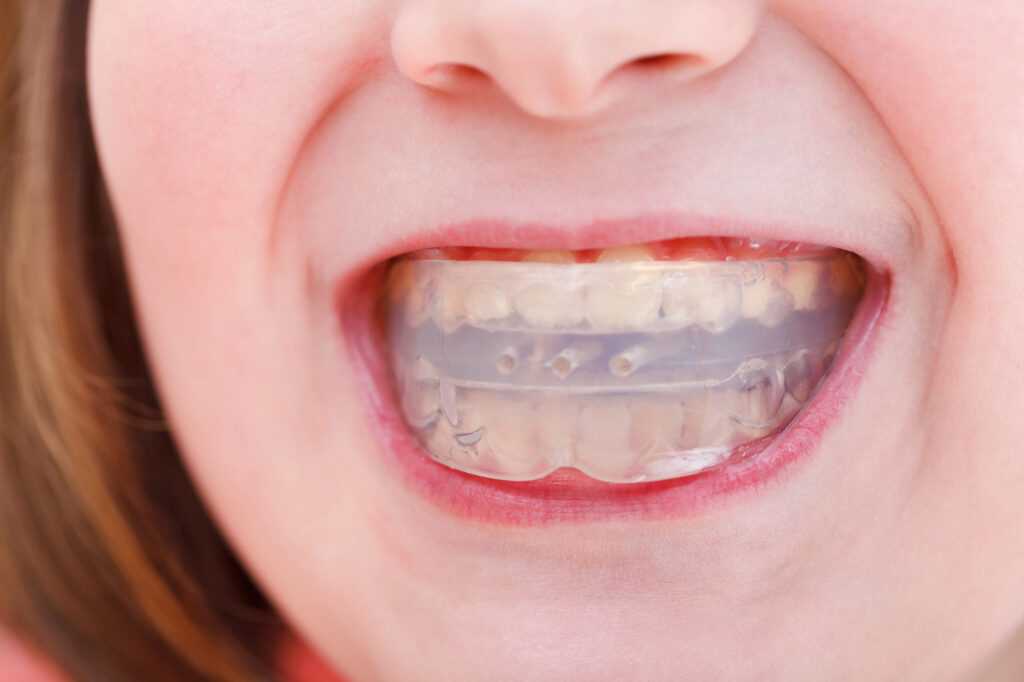
Mouth Guard for Teeth Grinding
Why Choose Dr. Charles E. Boren for Bruxism Treatment
When it comes to protecting your smile and alleviating the pain of bruxism, you need a provider who combines expertise with genuine compassion. The office of Dr. Charles E. Boren offers a patient-centered approach to identifying and treating teeth grinding.
Expertise and Patient-Centered Care
Dr. Boren and his team understand that bruxism is a complex condition that requires a personalized approach. They take the time to listen to your concerns, evaluate your symptoms thoroughly, and uncover the root cause of your grinding. You are never treated as just another chart; you receive care tailored to your unique lifestyle and dental needs.
Advanced Diagnostic Tools
Using state-of-the-art diagnostic technology, Dr. Boren accurately assesses the impact of bruxism on your teeth and jaw joints. From advanced digital imaging to precise bite analysis, the clinic uses modern tools to design highly effective, custom treatment plans. Whether you need a custom-fitted night guard or guidance on managing TMJ pain, you receive the highest standard of modern dental care.
Convenient Location and Friendly Staff
Dealing with dental pain and poor sleep is stressful enough. Receiving treatment shouldn’t be. Proudly serving Bellaire, West University, and the greater Houston area, the office of Dr. Charles E. Boren provides a welcoming, comfortable environment. From the moment you walk through the doors, the friendly staff ensures your experience is smooth, informative, and entirely stress-free.
Take Control of Your Oral Health and Sleep
Bruxism is much more than a bad habit. It is a serious condition that can silently destroy your tooth enamel, trigger chronic facial pain, and rob you of the restful sleep your body desperately needs. Ignoring the signs only allows the damage to compound over time, leading to complex and expensive dental problems down the road.
You do not have to live with morning headaches, a sore jaw, or the fear of damaging your smile. Treatment is accessible, highly effective, and tailored to your specific needs. By addressing your teeth grinding, you protect your oral health, improve your sleep quality, and enhance your overall well-being.
Take the first step toward a healthier, more comfortable smile. Schedule a consultation with Dr. Charles E. Boren today. Protect your teeth, relieve your pain, and get the restful night’s sleep you deserve.
Charles E. Boren D.D.S., P.C.
https://maps.app.goo.gl/rhALKFmSsGQ6w8ex9
5200 Cedar St, Bellaire, TX 77401
(713) 655-7673
https://charlesborendds.com/