

Migraine Relief Near Me: Solutions for Chronic Headache Sufferers
Chronic migraines can disrupt daily life, productivity, and overall well-being, making reliable relief a top priority for those affected. The intense throbbing, sensitivity to light, and accompanying nausea often leave individuals feeling isolated and desperate for a solution. Finding the right approach requires understanding the root causes of these debilitating episodes and taking proactive steps toward comprehensive management.
This guide will explore effective local solutions for migraine relief near me and how professional care can make a real difference in long-term health. Every patient experiences headache disorders differently, meaning a one-size-fits-all approach rarely provides lasting results. By examining a variety of interventions, individuals can build a tailored strategy that addresses their specific triggers and symptoms.
Understanding Migraines
What Are Migraines?
Migraines represent a complex neurological condition characterized by intense, debilitating head pain, often accompanied by a range of sensory disruptions. Symptoms frequently include severe throbbing on one side of the head, extreme sensitivity to light and sound, nausea, and visual disturbances. Common triggers range from hormonal fluctuations and weather changes to specific foods and elevated stress levels, making it crucial for patients to identify their unique risk factors.
Types of Migraines
Headache disorders manifest in several distinct forms, with the most common being migraines with or without aura. An aura involves visual or sensory disturbances that serve as a warning sign before the actual pain begins. Chronic migraines occur on 15 or more days a month, while tension-type headaches present as a steady, band-like ache around the head rather than a throbbing sensation.
Why Early Intervention Matters
Addressing headache symptoms promptly is essential for preventing the progression of occasional episodes into chronic, daily occurrences. Early intervention helps calm the nervous system before pain pathways become hyper-sensitized and resistant to standard treatments. Seeking professional care early significantly improves the overall quality of life by reducing the frequency, duration, and severity of future attacks.

Migraine Attacks
Lifestyle Changes for Migraine Relief
Diet and Hydration
Proper nutrition and adequate hydration play a foundational role in managing headache disorders. Certain foods—such as aged cheeses, processed meats containing nitrates, and artificial sweeteners—act as powerful triggers that patients should carefully monitor or avoid. Maintaining stable blood sugar levels through balanced meals and drinking plenty of water throughout the day can prevent the physiological stress that often sparks an attack.
Sleep and Stress Management
A consistent sleep schedule is a highly effective tool for reducing migraine frequency and severity. Going to bed and waking up at the same time every day regulates the body’s internal clock and promotes restorative rest. Furthermore, implementing daily stress management techniques like deep breathing or journaling helps lower cortisol levels, preventing the tension build-up that frequently leads to chronic headaches.
Exercise and Posture
Regular, moderate physical activity releases endorphins, the body’s natural painkillers, which can ease tension and prevent headaches. Simple routines like daily walking, swimming, or gentle stretching keep muscles loose and improve blood circulation. Paying close attention to ergonomics and maintaining proper posture—especially for individuals who spend long hours at a desk—prevents neck and shoulder strain that commonly radiates up into the head.
Over-the-Counter and Prescription Options
OTC Pain Relievers
Over-the-counter medications like ibuprofen, aspirin, and naproxen serve as the first line of defense for many headache sufferers. These medications offer accessible, rapid relief by reducing inflammation and blocking pain signals during mild to moderate attacks. However, patients must use these medications responsibly, as over-reliance can lead to medication-overuse headaches, also known as rebound headaches, which ultimately worsen the condition.
Prescription Treatments
When over-the-counter solutions fail to provide adequate relief, prescription treatments become a necessary next step. Healthcare providers may recommend triptans or other acute medications to stop a migraine in its tracks once symptoms begin. For patients experiencing frequent attacks, doctors often prescribe daily preventive medications—such as beta-blockers, antidepressants, or anticonvulsants—to reduce the overall number of headache days per month.
Safety and Side Effects
Selecting the right medication requires a careful evaluation of a patient’s medical history and current health profile. Every pharmaceutical option carries potential side effects, ranging from mild drowsiness to cardiovascular complications, making professional medical guidance absolutely essential. Working closely with a healthcare provider ensures the chosen treatment plan remains safe, effective, and perfectly aligned with the patient’s long-term health goals.
Professional Migraine Treatments Near Me
Medical Consultations
A thorough medical consultation serves as the critical starting point for an effective treatment journey. Neurologists and headache specialists utilize advanced diagnostic tools to rule out secondary causes of head pain and accurately assess the nature of the migraines. This detailed evaluation allows practitioners to design a highly specific roadmap tailored to the patient’s exact neurological and physiological needs.
Advanced Therapies
Modern medicine offers several advanced, clinic-based therapies for patients who do not respond to traditional oral medications. FDA-approved treatments like targeted Botox injections help relax hyperactive muscles and block pain pathways associated with chronic migraines. Other clinical solutions, such as nerve blocks and specialized trigger point injections, provide profound, localized relief that can last for several weeks or months.
Monitoring and Follow-Up
Chronic headache management is not a one-time event, but rather an ongoing collaborative process between the patient and their provider. Regular follow-up appointments allow specialists to monitor the effectiveness of prescribed therapies and make necessary adjustments to the treatment protocol. This continuous oversight guarantees that patients receive the highest standard of care as their condition and lifestyle needs evolve over time.

Migraine Pain Attacks
Alternative and Complementary Therapies
Acupuncture and Massage
Evidence-based complementary techniques like acupuncture and targeted massage therapy offer significant tension relief for many migraine sufferers. Acupuncture involves the precise insertion of fine needles into specific points on the body, stimulating the nervous system and promoting the release of natural pain-relieving chemicals. Therapeutic massage focuses on releasing tight muscles in the neck, shoulders, and upper back, directly addressing the physical tension that often triggers an episode.
Chiropractic Care and Physical Therapy
Structural imbalances in the spine and neck frequently contribute to the onset of severe headaches. Chiropractic adjustments can correct spinal misalignments, thereby reducing nerve irritation and improving overall structural function. Physical therapy complements these adjustments by providing patients with targeted exercises designed to strengthen supporting muscles, improve mobility, and eliminate chronic postural triggers.
Mindfulness and Biofeedback
Mind-body therapies equip patients with the tools needed to consciously control their physiological responses to stress and pain. Mindfulness meditation encourages a state of relaxed awareness, helping individuals detach from the anxiety that accompanies chronic pain. Biofeedback utilizes electronic monitoring to teach patients how to regulate involuntary bodily functions, such as heart rate and muscle tension, ultimately reducing the intensity and frequency of migraine attacks.
Identifying the Right Migraine Relief Provider
Credentials and Experience
Finding a highly qualified practitioner is paramount for achieving safe and sustainable results. Patients should actively seek out clinics with specialized credentials in headache management, neurology, or advanced pain relief techniques. Verifying a provider’s educational background and clinical experience ensures that the chosen professional possesses the necessary expertise to handle complex, chronic cases effectively.
Technology and Treatment Options
The best healthcare providers invest heavily in modern diagnostic equipment and cutting-edge therapeutic methodologies. A clinic equipped with the latest technology can offer a much broader array of treatment options, ensuring patients have access to the most effective, up-to-date care available. This commitment to modern advancements reflects a practice’s dedication to achieving optimal patient outcomes through precision and innovation.
Patient Testimonials and Success Stories
Real experiences from previous patients provide invaluable insight into the quality of care a clinic actually delivers. Reading patient testimonials helps prospective visitors gauge the provider’s bedside manner, the efficacy of the treatments offered, and the overall atmosphere of the practice. Positive success stories build trust and reassure new patients that they are making an informed, confident decision about their healthcare journey.
How Charles E. Boren Supports Migraine Relief
Personalized Assessment
Dr. Charles E. Boren approaches every patient with a commitment to thorough, personalized diagnostics and compassionate care. By taking the time to understand the unique triggers, lifestyle factors, and specific symptoms of each individual, the practice develops highly tailored treatment plans. This detailed assessment ensures that the root causes of the pain are addressed, rather than merely masking the surface-level symptoms.
Comprehensive Care Options
Dedicated to the mastery of modern care, Dr. Charles E. Boren combines advanced diagnostic technology with a variety of proven therapeutic techniques. The practice recognizes the intricate connection between oral health, jaw alignment, and chronic head pain, offering specialized solutions to address these interconnected issues. By combining medical expertise with supportive complementary treatments, patients receive a truly well-rounded approach to headache management.
Long-Term Support
A successful treatment plan requires consistent support, ongoing education, and a welcoming environment where patients feel valued. Dr. Charles E. Boren prioritizes continuous follow-ups to monitor progress, refine treatment strategies, and ensure optimal comfort. This dedication to long-term patient education empowers individuals to take an active role in their health, paving the way for sustainable relief and a significantly improved quality of life.
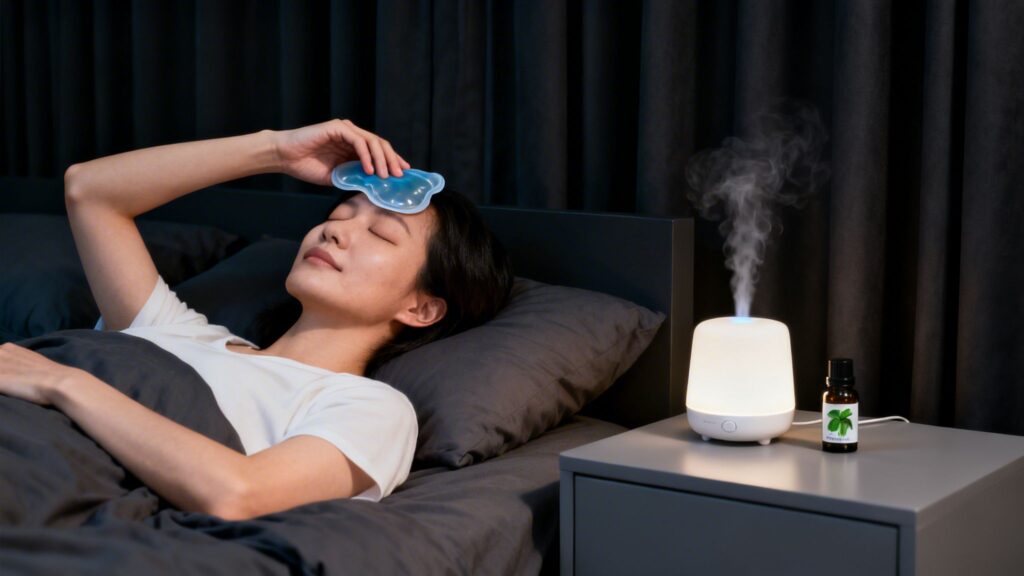
Migraine Treatment
Reclaiming a Pain-Free Life
Understanding the multifaceted nature of migraines is the key to unlocking effective, long-lasting relief. By exploring a combination of lifestyle adjustments, medical treatments, and complementary therapies, patients can build a robust defense against chronic head pain. No one should have to navigate the complexities of severe headache disorders alone.
Finding trusted local professionals, like Dr. Charles E. Boren, ensures access to safe, effective, and perfectly tailored care. Early intervention and a commitment to comprehensive treatment strategies lead to fewer disruptions and a brighter, healthier future. Take the necessary steps today to explore professional care options and start the journey toward a more comfortable, pain-free life.
Charles E. Boren D.D.S., P.C.
https://maps.app.goo.gl/rhALKFmSsGQ6w8ex9
5200 Cedar St, Bellaire, TX 77401
(713) 655-7673
https://charlesborendds.com/