
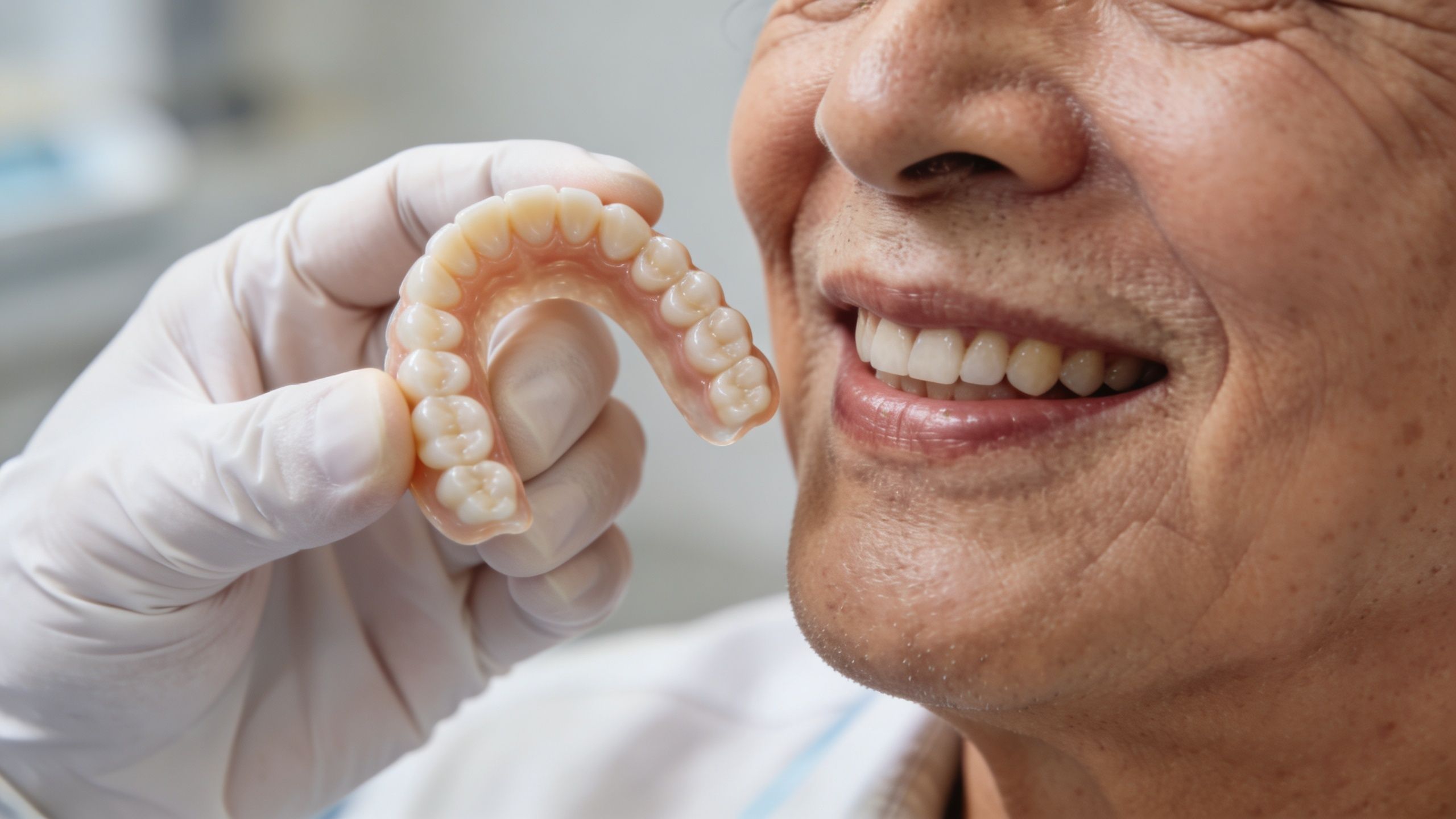
If your dentures slide when you talk, lift when you chew, or leave sore spots that never seem to settle down, you’re not dealing with a minor annoyance. You’re dealing with a fit problem that can affect comfort, nutrition, speech, jaw function, and confidence every single day.
Many people in Bellaire, West University, and Houston put up with this longer than they should. They avoid certain foods, use more adhesive, smile less, and assume loose dentures are just part of getting older. They aren’t. Poor fitting dentures usually mean something has changed in the mouth, and that change needs attention.
- Your Guide to Solving Poor Fitting Dentures in Bellaire TX
- Recognizing the Signs of Poorly Fitting Dentures
- The Hidden Dangers of an Improper Denture Fit
- Your Treatment Options for Loose Dentures in Houston
- The Connection Between Dentures Jaw Pain and TMJ
- What to Expect at Your Denture Consultation in Bellaire
- Preventing Future Problems with Proper Denture Care
- FAQs for Bellaire and Houston Denture Wearers
Your Guide to Solving Poor Fitting Dentures in Bellaire TX
A common pattern goes like this. A patient starts by noticing a little movement while eating. Then certain words become harder to pronounce clearly. Soon there’s a sore spot on the gum, a rubbing sensation along the ridge, or that uneasy feeling that the denture might shift in public. By that point, many people are cutting food into smaller bites, avoiding restaurants, and relying on adhesive just to get through the day.
That experience is frustrating, but it’s also clinically important. In 2020, approximately 41 million Americans used dentures, which shows how common tooth replacement is, but also how many people may be vulnerable when fit and hygiene are neglected, according to data summarized in this denture health discussion. Poor fit doesn’t just affect comfort. It can contribute to tissue irritation, chewing problems, and other oral health complications.
In Bellaire, TX, patients often start by searching for a dentist near me, an emergency dentist, or even dental implants near me because they know something feels off but aren’t sure what the best fix is. The right answer depends on why the denture is loose, how the bite is functioning, and whether the jawbone and oral tissues are still providing stable support.
Poor fitting dentures can often be improved. The key is figuring out whether the problem comes from wear, bone changes, bite imbalance, or a denture that was never ideal to begin with.
For some people, a simple adjustment is enough. For others, the better solution is a reline, rebase, replacement denture, or implant support. The good news is that modern dental care in Bellaire makes these problems far more manageable than many patients realize.
Recognizing the Signs of Poorly Fitting Dentures
A loose denture doesn’t always announce itself dramatically. Sometimes the earliest signs are subtle, and patients adapt to them without realizing the denture is no longer working the way it should.
Changes you notice while talking and eating
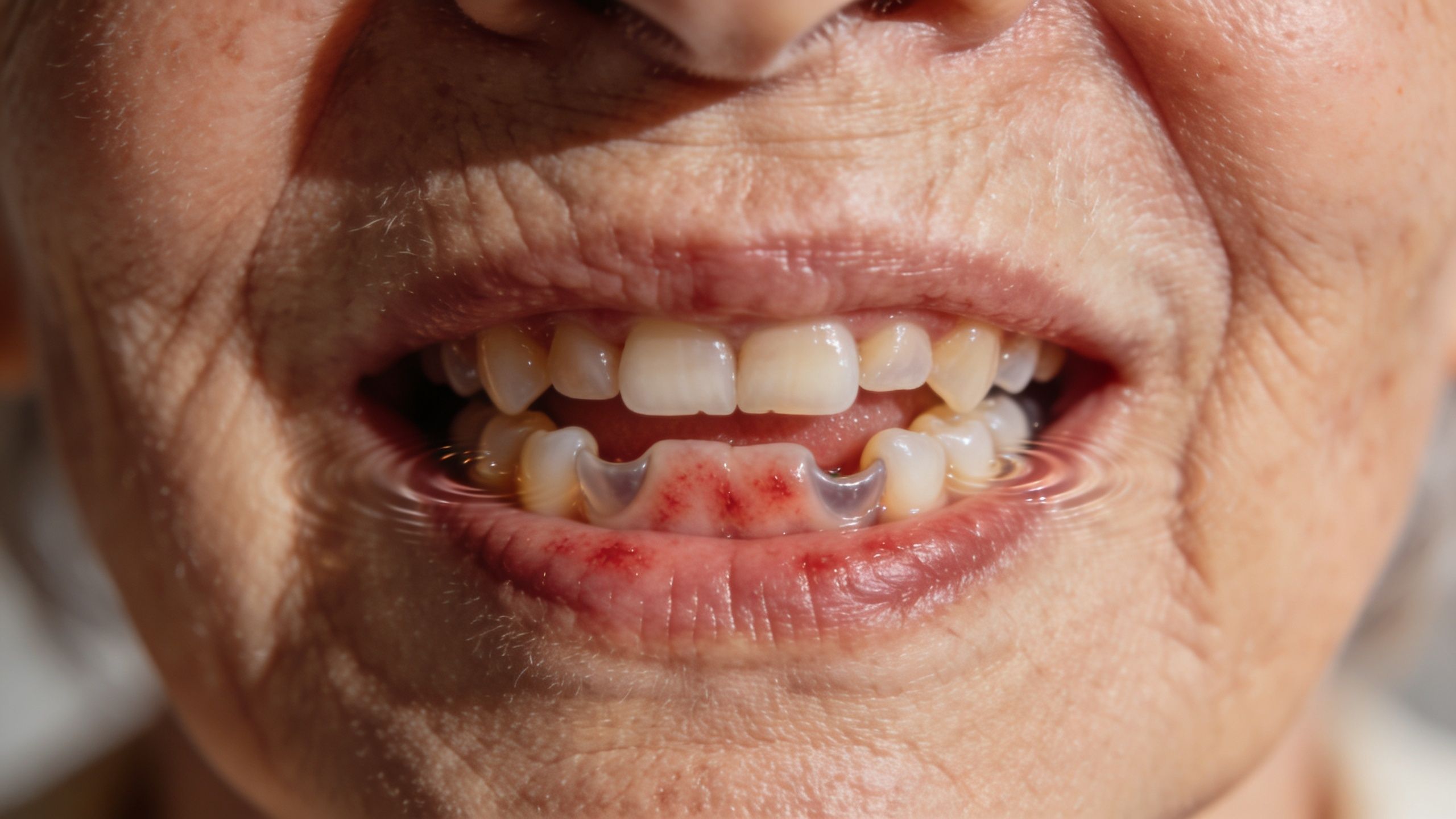
Speech is often one of the first areas affected. If your dentures click, shift, or make you lisp when you didn’t before, the fit may have changed. A denture that moves during conversation usually moves during chewing too, even if you’ve learned to compensate.
Eating can become slower and less predictable. You may find yourself chewing only on one side, avoiding crunchy or fibrous foods, or feeling like the denture lifts every time you bite down. That kind of instability usually means the denture base is no longer matching the shape of the gums and underlying ridge.
Physical warning signs inside the mouth
Watch for these common signs:
- Recurring sore spots: Areas that rub raw, especially in the same location, usually point to pressure that isn’t being distributed evenly.
- Tender gums: If the tissue feels bruised, inflamed, or sensitive after meals, the denture may be rocking instead of sitting securely.
- Frequent gagging: A denture that feels bulky, overextended, or unstable can trigger gagging, especially with an upper appliance.
- Bad breath that keeps returning: Food and plaque can collect around a poorly fitting denture and irritated tissue, making hygiene harder.
- Heavy adhesive use: If you can’t get through the day without repeatedly reapplying adhesive, that’s a sign the denture needs professional attention.
Practical rule: Denture adhesive should support a good fit. It shouldn’t be the only thing making the denture wearable.
Signs patients often overlook
Some symptoms don’t seem denture-related at first. Mild mouth fatigue, a feeling of fullness, small ulcers, or the sense that your bite “doesn’t come together right” can all trace back to an unstable appliance.
You may also notice that you remove the denture more often because it’s more comfortable without it. That matters. Avoiding the denture, even part of the day, can be a clue that the problem has moved beyond simple adjustment and into a bigger fit or bite issue.
If any of this sounds familiar, it’s worth having the dentures and supporting tissues examined before small irritations turn into harder problems to correct.
The Hidden Dangers of an Improper Denture Fit
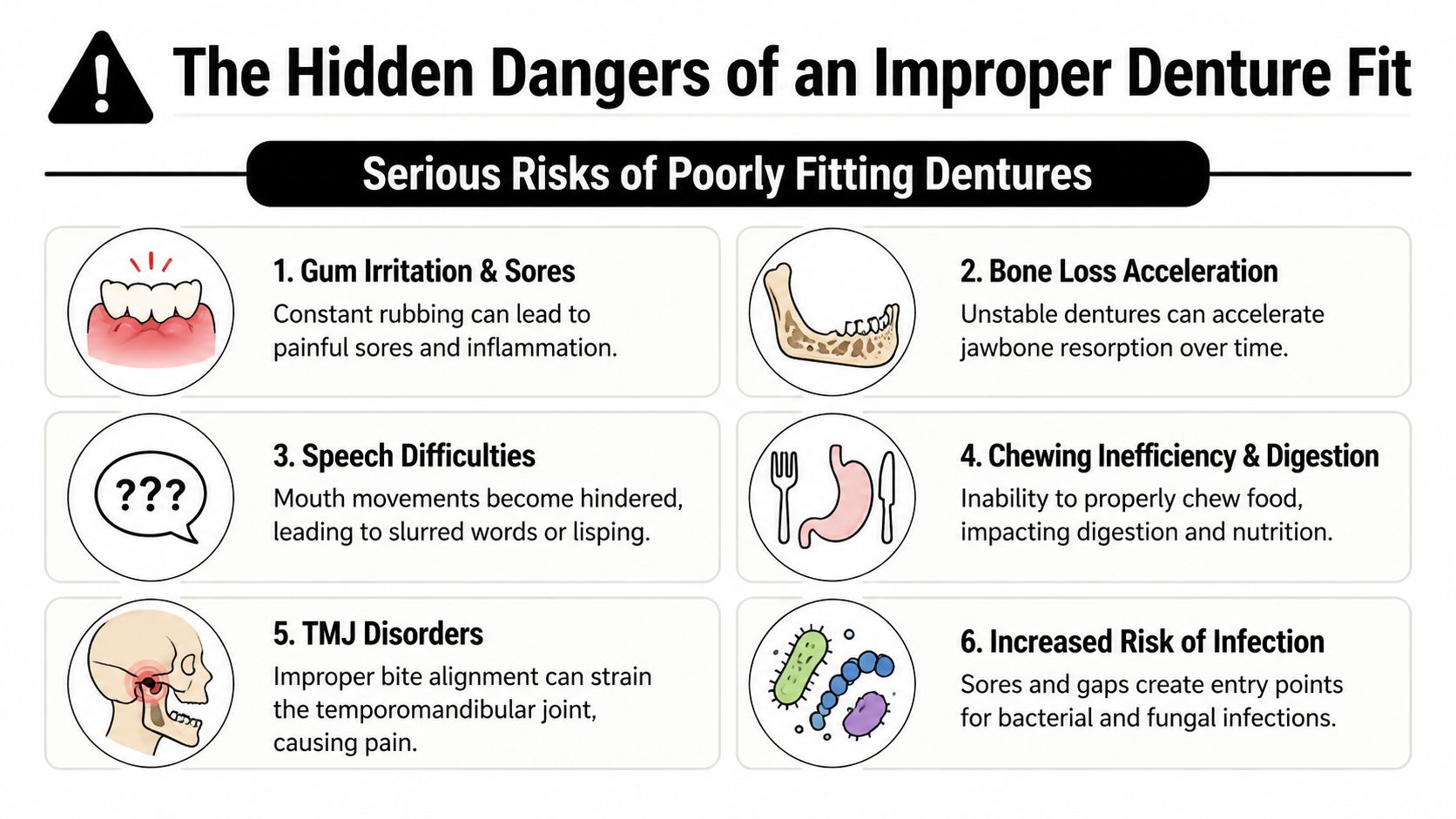
Loose dentures don’t stay a comfort problem for long. Over time, they can affect the soft tissues, the way you chew, and the health of the jaw itself.
Irritation, infection, and daily function
When a denture rubs instead of rests, the tissue underneath gets repeatedly traumatized. That can lead to sore spots, chronic inflammation, and areas where bacteria or fungal organisms can take hold more easily. Patients often notice burning, redness, or tenderness first, then trouble wearing the denture for normal meals.
Chewing also becomes less efficient. When food isn’t broken down well, patients tend to avoid foods that require more force or stability. That can limit diet quality and make eating less enjoyable.
If you’re dealing with painful sores along with denture movement, these effective mouth ulcer treatments offer helpful background on how irritated oral tissues are commonly managed while the underlying cause is being addressed.
Why the fit keeps getting worse
The jawbone doesn’t stay the same after teeth are lost. Without natural tooth roots to stimulate the bone, the ridge gradually shrinks and changes shape. A denture that once fit well can start to loosen because the foundation underneath it is no longer the same.
That’s why an old denture often feels like it “suddenly” stopped fitting, when the actual change has been happening slowly for months or years.
A denture can’t stay stable on a foundation that has changed shape. At some point, the appliance has to be adjusted to match the mouth again.
Broader health risks that deserve attention
The implications are more significant than often realized. A longitudinal study involving 186,893 individuals age 75 and older found that ill-fitting dentures or not wearing dentures was associated with a higher risk of all-cause mortality, with risk rising as occlusal support worsened, as reported in the Journal of Prosthetic Dentistry summary covered here. In plain terms, better denture fit and function were protective.
Poor fit can also create persistent irritation in the mouth. Dentures themselves don’t cause cancer, but chronic trauma and poor hygiene can create conditions where harmful tissue changes are more likely, as noted earlier in the article.
For patients looking for a dentist in Bellaire, TX or an emergency dentist because a denture has become painful, the main point is simple. Don’t wait until you can’t eat comfortably or the tissue is too sore to wear the appliance. Early correction is easier on the mouth and usually gives you more treatment options.
Your Treatment Options for Loose Dentures in Houston
There isn’t one universal fix for poor fitting dentures. The right treatment depends on the age of the denture, the condition of the acrylic base and teeth, the amount of bone change, and whether the bite is still balanced.
When a reline makes sense
A denture reline updates the inner surface of the denture so it matches the current shape of your gums more closely. This is often the best option when the denture teeth and outer structure are still in good condition, but the appliance has loosened because the ridge has changed.
This approach works well for patients whose denture once fit properly and now feels mobile, rubs in a few spots, or needs too much adhesive. It usually improves comfort and retention without replacing the entire denture.
When a rebase or replacement is better
A rebase keeps the denture teeth but replaces the pink acrylic base. That can be useful when the base is worn, damaged, or no longer structurally sound, but the tooth portion is still acceptable.
A new denture is usually the better path when several problems are happening at once. Examples include worn denture teeth, changes in facial support, an unstable bite, repeated fractures, or a denture that never worked very well from the start. If you’d like to see how flexible partial denture design can change appearance and comfort, these Valplast partial denture before and after examples give useful visual context.
When implants become the strongest option
For some patients, repeated relines only buy time because the underlying ridge keeps changing. That’s where dental implants near me becomes a meaningful search, not just a trend phrase.
Jawbone resorption is the main reason dentures loosen over time. After extraction, the alveolar bone can lose 25% to 60% of its volume in the first year, and poor-fitting dentures can accelerate bone density loss by 15% to 20% over two years, according to this review of ill-fitting denture complications. Implant-supported overdentures can add stability that traditional dentures often can’t maintain on their own.
Comparing Denture Solutions
| Solution | Best For | Process | Stability Level |
|---|---|---|---|
| Reline | Dentures that are structurally sound but loose against the gums | Resurface the tissue side of the denture to improve fit | Moderate |
| Rebase | Dentures with acceptable teeth but a compromised base | Replace the acrylic base while keeping the denture teeth | Moderate to good |
| New denture | Worn, outdated, poorly designed, or repeatedly uncomfortable dentures | Create a new appliance based on current anatomy and bite | Good |
| Implant-supported overdenture | Patients who want the highest level of retention and less movement | Anchor the denture to implants placed in the jaw | High |
What works and what usually doesn’t
Using more adhesive may help for a short time, but it doesn’t correct a mismatched fit. Over-the-counter “fixes” also don’t restore bite accuracy.
What works is matching the treatment to the reason the denture is failing. If the base is the problem, address the base. If the bite is unstable, correct the bite. If the ridge no longer supports a removable denture well, implants may offer the most predictable long-term solution.
The Connection Between Dentures Jaw Pain and TMJ
A denture problem can become a jaw problem. Many patients don’t realize that headaches, facial soreness, ear-area pain, and even migraine flare-ups may start with the way the dentures are fitting and how the bite is landing.
How an unstable denture strains the jaw
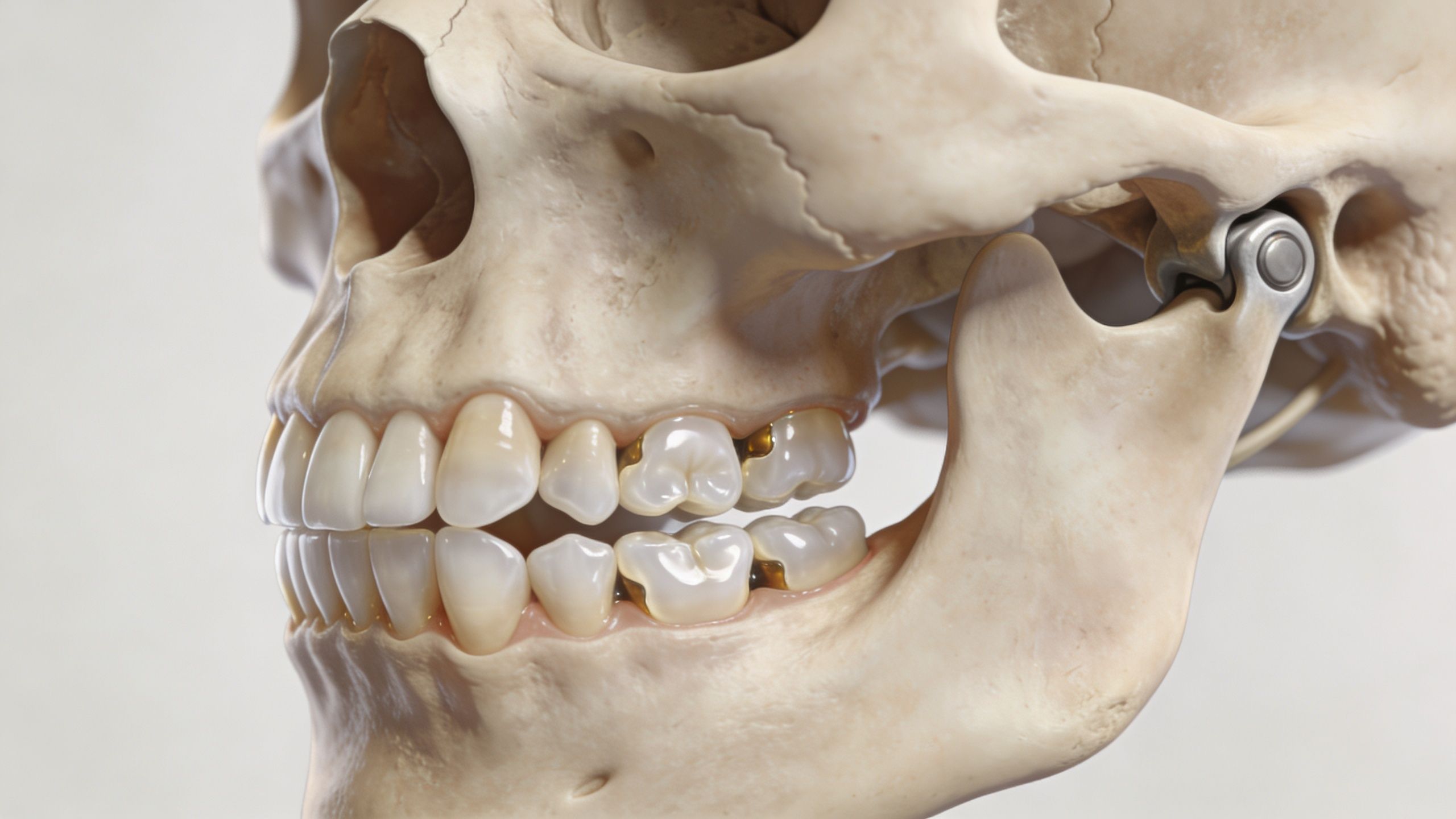
When dentures don’t meet evenly, the jaw has to compensate. Patients may shift side to side to find a “comfortable” bite, tighten the muscles to hold a lower denture in place, or change the way they speak and chew. Those repeated adjustments place extra stress on the temporomandibular joint, or TMJ.
Ill-fitting dentures are a frequent cause of TMJ disorders because the unstable bite pushes the jaw into unnatural positions. That stress can lead to inflammation, headaches, and facial pain, and 20% to 30% of edentulous patients report TMD symptoms after receiving dentures that haven’t been properly maintained or relined, according to this discussion of denture-related TMJ strain.
Why this matters for headache and migraine sufferers
A patient may describe the problem as “my dentures are annoying,” but the muscle system may be saying something more serious. If your jaw clicks, feels tired in the morning, or aches after meals, the denture may be changing how your muscles and joints work all day long.
That’s especially important for people who already deal with clenching, facial tension, or chronic headaches. In those cases, denture design and bite alignment shouldn’t be treated as separate issues. They affect each other.
When dentures change your bite, your jaw muscles notice immediately. They work harder to stabilize what the denture isn’t stabilizing on its own.
A closer look at bite mechanics can help patients understand why jaw discomfort lingers:
Specialized solutions beyond a quick adjustment
A simple spot adjustment can help when there’s a single pressure area. It won’t solve a broader alignment problem. Patients with jaw pain often benefit from a more complete evaluation of the bite, muscle strain patterns, and how the dentures relate to the joint position. For people exploring stabilization options, this overview of mini dental implants is a useful starting point because implant support can reduce the movement that forces the jaw to overwork.
For patients whose symptoms include headaches, joint noises, or facial pain, focused care from a Houston TMJ specialist can be especially important. The denture has to fit the mouth, but it also has to work with the joints and muscles that guide every bite.
What to Expect at Your Denture Consultation in Bellaire
Most patients feel better once they know what the visit will involve. A denture consultation is usually straightforward, practical, and centered on the symptoms you’re having right now.
The first conversation
The appointment starts with your experience. Expect questions about looseness, sore spots, chewing trouble, speech changes, headaches, jaw fatigue, and how often you rely on adhesive. If the denture used to fit well but no longer does, that timing matters.
You should also expect a discussion about what you want most. Some patients want comfort. Others want stronger chewing ability, better appearance, fewer sore spots, or a more secure long-term solution through restorative dentistry.
The exam and diagnostic review
The mouth is then examined closely. That includes the gums, denture-bearing tissues, bite relationship, pressure areas, and the condition of the denture itself. If needed, dental x-rays can help evaluate the supporting bone and reveal changes that may not be obvious from the surface.
This is also when a provider may look for signs that poor fit is affecting the jaw joints or muscles. If your symptoms include facial pain or headaches, that part of the exam becomes especially important.
Reviewing the options clearly
Once the cause of the looseness is clearer, treatment options are discussed in plain language. Depending on what’s found, that may include:
- Adjustment or reline: Often appropriate when the denture is still serviceable but no longer adapts closely to the tissues.
- Replacement denture: Better when the appliance is worn, fractured, or creating an unstable bite.
- Implant-based support: Worth considering when you want more security than a conventional removable denture can reliably provide.
- Related services: If damaged teeth remain, treatment planning may also involve tooth extraction, restorative dentistry, or follow-up care.
A good consultation doesn’t rush to one answer. It identifies why the denture is failing, then matches the fix to that cause.
For patients searching for a dentist in Bellaire, TX, cleaning and exams, or new patient exams, the visit should feel informative rather than overwhelming. You should leave knowing what’s wrong, what can be done, and which option fits your needs and comfort level.
Preventing Future Problems with Proper Denture Care
Even a well-made denture needs maintenance. The mouth changes over time, and daily habits make a real difference in how long a denture stays comfortable and functional.
Daily habits that protect the fit
A few simple routines help reduce irritation and wear:
- Clean dentures every day: Brush away debris and buildup gently so plaque and odor don’t collect on the appliance.
- Remove them at night: Giving the tissues time to rest can reduce irritation and help you notice sore spots earlier.
- Store them safely: Keep dentures in the recommended environment when they’re out of the mouth so they don’t dry out or warp.
- Handle them carefully: Even a small crack or change in shape can alter how the denture seats.
Long-term habits that matter more than patients think
Don’t assume “no natural teeth” means “no need for dental visits.” Regular exams still matter because the gums, bone, and bite continue to change. Those visits can catch a loose fit early, before it turns into persistent soreness or jaw strain.
If you use adhesive more often than you used to, notice new movement, or start avoiding certain foods, have the denture checked. Small changes are easier to correct than advanced ones.
For patients in Bellaire, West University, and Houston looking for a dentist near me, restorative dentistry, or help with poor fitting dentures, consistent follow-up is one of the best ways to protect comfort, function, and confidence.
FAQs for Bellaire and Houston Denture Wearers
A common Bellaire scenario goes like this. A patient assumes loose dentures are just part of getting older, then starts noticing sore gums, trouble chewing, and headaches that show up by late afternoon. In many cases, the denture is only part of the problem. An unstable bite can also strain the jaw joints and surrounding muscles.
Frequently Asked Questions
| Question | Answer |
|---|---|
| How do I know if my dentures need more than an adjustment? | If the denture keeps shifting, creates repeat sore spots, changes the way you speak, or makes you rely on adhesive more than before, the fit likely needs more than a minor chairside adjustment. An exam can show whether the right solution is a reline, rebase, full replacement, or added implant support. |
| Can poor fitting dentures affect overall health? | Yes. Poor fit can irritate the gums and make eating harder, which can affect nutrition and comfort. It can also change how your jaws meet. That matters because an unstable bite can contribute to jaw fatigue, muscle tension, headaches, and TMJ symptoms that many denture wearers do not connect back to the denture itself. The National Institute of Dental and Craniofacial Research notes that complete tooth loss remains common among older adults, which helps explain why denture-related fit problems are still a significant oral health issue (edentulism and tooth loss in adults). |
| Should I keep wearing dentures that hurt? | Pain is a sign that something is off. Continued wear can deepen sore spots, inflame the tissues, and keep your bite in an unhealthy position. If the pain is near the ears, temples, or jaw joints, I also consider whether the denture is aggravating TMJ-related strain. |
| Are payment questions common for denture treatment? | Very common. Coverage depends on the plan and the type of service. Families researching benefits may find this guide to what Medicaid covers for dental care helpful as a general starting point before confirming details with their carrier. |
Loose dentures rarely stay a small problem for long. Early treatment is often simpler, more comfortable, and less expensive than waiting until the tissues, bite, and jaw joints are all involved.
If you’re ready to stop living with poor fitting dentures, schedule a consultation with Charles E. Boren. Patients in Bellaire, West University, and Houston turn to Dr. Boren for thoughtful diagnosis, advanced bite analysis, and comfortable treatment options that can restore stability, relieve pain, and help you smile with confidence again.