
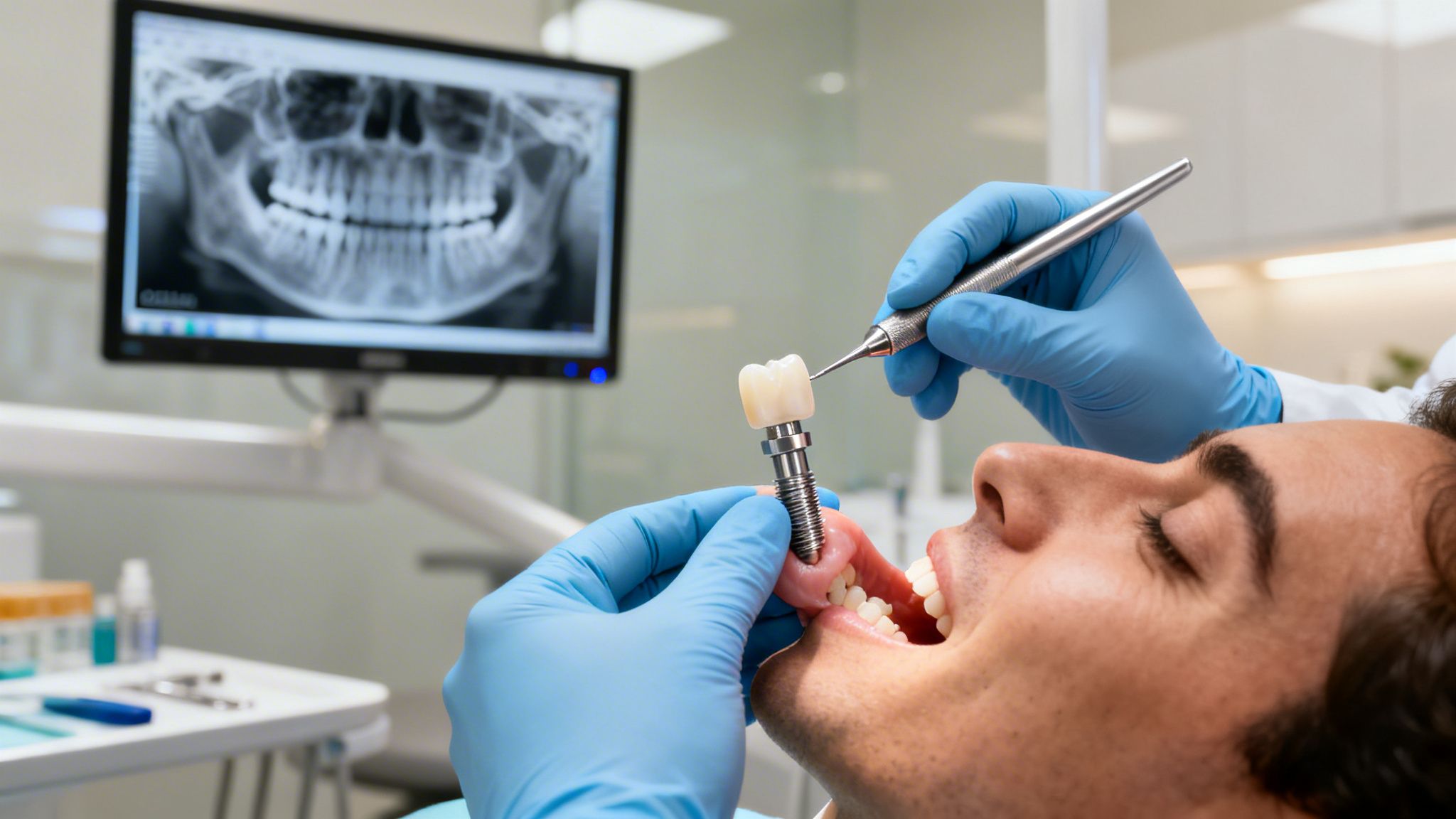
Dental Extractions Near Me: Signs It’s Time to See a Local Dentist
A healthy, comfortable smile plays a vital role in your overall well-being and daily life. From enjoying your favorite meals to speaking confidently in social and professional settings, your teeth contribute to far more than just appearance. When discomfort or dental issues arise, they can quickly affect your quality of life, making even simple tasks feel challenging.
While preserving natural teeth is always the primary goal of modern dentistry, there are situations where removing a problematic tooth becomes the best solution. Severe decay, advanced gum disease, trauma, or infection can sometimes damage a tooth beyond repair. In these cases, a dental extraction helps prevent further harm to surrounding teeth, gums, and bone structure. Rather than being a setback, extraction can be a proactive step toward protecting your long-term oral health.
Understanding the common signs that indicate you might need a dental extractions near me empowers to take action before complications worsen. By recognizing symptoms early and seeking timely, professional dental care, you can reduce pain, prevent infection, and maintain optimal oral health for years to come.
Severe Tooth Decay and Unrepairable Damage
The Limits of Restorative Care
Extensive decay can sometimes compromise a tooth beyond the repair capabilities of standard fillings, inlays, or crowns. When a cavity is left untreated for a long period, it destroys a significant portion of the enamel and dentin, leaving too little healthy structure to support a restoration. In these severe cases, attempting to place a crown or filling will inevitably fail, making an extraction the safest and most reliable clinical choice.
Deep Infection and Discomfort
Decay that reaches the inner pulp of the tooth often causes persistent, severe discomfort that requires immediate attention. The pulp contains sensitive nerves and blood vessels, and once bacteria penetrate this chamber, it leads to a painful infection or an abscess. Patients frequently experience throbbing pain, sensitivity to temperature, and facial swelling, all of which strongly suggest that the damaged tooth must be removed to relieve the agony.
Protecting Neighboring Teeth
Removing a highly decayed tooth prevents harmful bacteria from spreading to adjacent healthy teeth and gum tissue. A chronically infected tooth acts as a reservoir for disease-causing microbes that can easily migrate to surrounding areas in the mouth. By proactively extracting the compromised tooth, the overall oral environment is protected from widespread decay and dangerous localized infections.
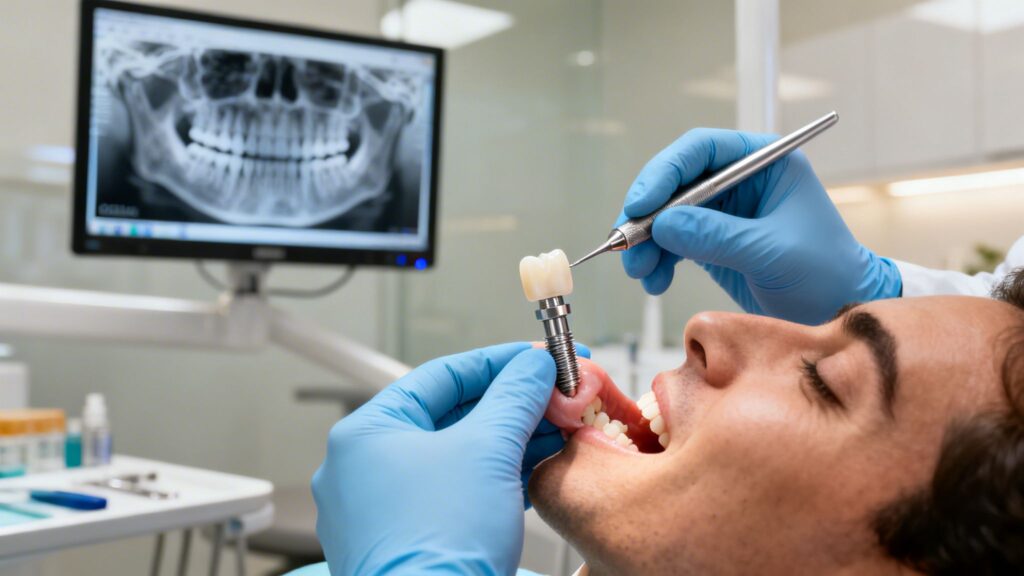
Dental Extraction Surgery
Advanced Gum Disease and Loss of Support
The Progression of Periodontitis
Advanced gum disease slowly erodes the vital bone and connective tissues that hold your teeth firmly in place. Periodontitis triggers a severe inflammatory response that causes the gums to pull away from the teeth, forming deep pockets where plaque and tartar accumulate. As the supporting jawbone deteriorates over time, the foundation of the smile becomes dangerously unstable.
Recognizing Tooth Mobility
Noticeable signs of loosening or shifting teeth strongly indicate a compromised foundation that may necessitate an extraction. When significant bone loss occurs, teeth may feel wobbly when chewing or brushing, and you might notice a sudden change in how your upper and lower teeth fit together. This mobility shows that the tooth no longer has the structural support required to function properly.
Setting the Stage for Healing
Extracting a severely loose tooth is often the necessary first step to halting infection and restoring the overall health of your gums. Leaving a hopeless tooth in a diseased socket only allows periodontitis to worsen and destroy even more bone tissue. Removing the source of the chronic infection allows the surrounding gums to heal and creates a healthier environment for future restorative work.
Overcrowding and Orthodontic Preparation
Creating Essential Space
Removing a tooth can provide the necessary room in a crowded jaw to allow other teeth to align properly. Many patients simply have jaws that are too small to accommodate all of their permanent teeth, leading to severe overlapping and crookedness. A targeted extraction creates the physical space needed for the remaining teeth to shift into their ideal, straight positions.
Facilitating Clear Aligner or Braces Therapy
Orthodontic treatments sometimes require strategic extractions to achieve a functional bite and a symmetrical appearance. Before applying braces or clear aligners, an orthodontist or dentist may determine that certain teeth must be removed to guide the rest of the smile into perfect alignment. This careful planning ensures a beautiful, functional result that lasts a lifetime.
Improving Daily Oral Hygiene
Resolving severe overlapping makes brushing and flossing significantly easier, reducing your long-term risk of cavities. Crowded teeth create tight spaces and hidden crevices where plaque easily hides and calcifies into tartar. By extracting a tooth to relieve this crowding, you gain better access to all tooth surfaces, making your daily hygiene routine much more effective.
The Unique Challenges of Wisdom Teeth
Understanding Impaction
When third molars lack the space to erupt properly, they often become trapped beneath the gumline or jawbone. These impacted wisdom teeth may grow at odd angles, pushing horizontally against the adjacent molars rather than emerging vertically. Because there is simply no room for them to function, they remain stuck in the jaw, leading to a host of developmental and health issues.
Identifying Pain and Pressure
Common physical symptoms of problematic wisdom teeth include swelling, jaw stiffness, and pressure at the back of the mouth. Patients frequently report a dull, persistent ache in the jaw or sharp pain when biting down near the affected area. Red, swollen gums around the back of the mouth are also a clear indicator that these hidden molars are causing significant irritation.
Preventing Secondary Complications
Proactive removal prevents future issues such as painful cysts, root resorption, or damage to your adjacent molars. Impacted wisdom teeth can push against neighboring roots, causing irreversible damage, or trap food particles that lead to severe localized decay. Extracting them early eliminates the risk of these painful and complex secondary problems.
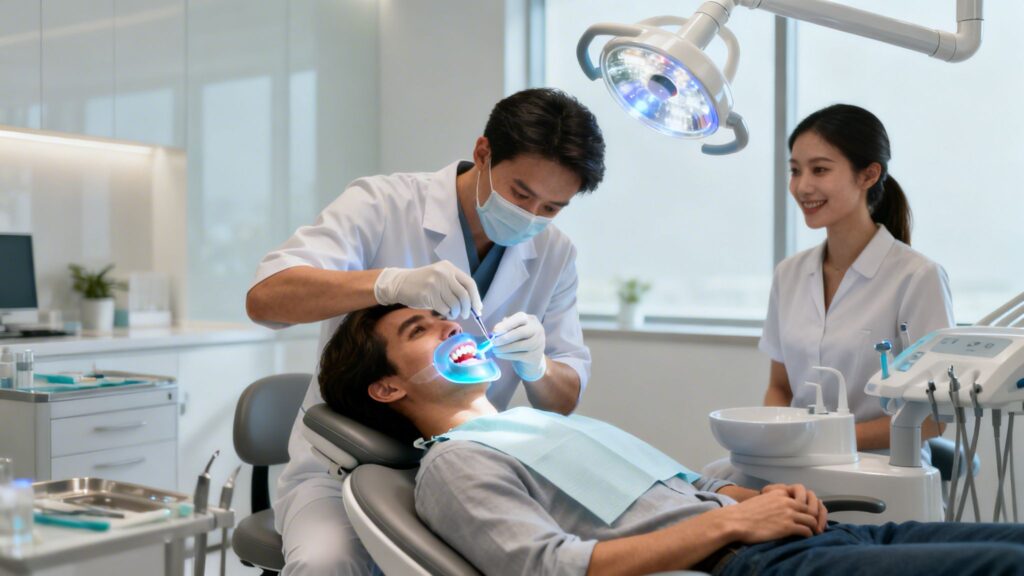
Dental Extraction
Dental Trauma and Unexpected Emergencies
Assessing Cracks and Fractures
Injuries that cause vertical fractures extending below the gumline often make a tooth unsalvageable. While minor chips can be repaired with bonding or a crown, a crack that splits the tooth into the root compromises its entire structural integrity. When a tooth is fractured in this manner, extraction is required to prevent deep bone infections and chronic pain.
Managing Sports Injuries and Accidents
Sudden trauma from an accident can dislodge or damage a tooth to the point where extraction becomes the safest option. A heavy blow to the face during athletic activities or a fall can sever the blood supply to the tooth or shatter the surrounding bone. In scenarios where replanting or stabilizing the tooth is clinically impossible, safe removal is the only viable path forward.
Taking Immediate Action
Clear, actionable steps for managing discomfort include protecting your mouth while you arrange an emergency visit to your local dentist. If a tooth is severely damaged, gently rinse your mouth with warm water, apply a cold compress to the outside of your cheek to reduce swelling, and avoid chewing on the injured side. Promptly contacting a dental professional ensures the trauma is evaluated and treated before complications arise.
Demystifying the Extraction Process
Simple Versus Surgical Procedures
A simple extraction involves the straightforward removal of a visible tooth, while a surgical approach is needed for broken or impacted teeth. Simple extractions utilize specialized instruments to gently elevate and grasp the tooth above the gumline. Surgical extractions, however, require a small incision in the gum tissue to access a tooth that has not fully erupted or has broken off at the root.
Prioritizing Your Complete Comfort
Highly effective local anesthesia and sedation options ensure a pain-free, relaxed experience during the procedure. Modern dentistry places a massive emphasis on patient comfort, using precise numbing techniques so that you only feel a mild pressure, rather than sharp pain. Various sedation methods are also available to calm nerves and provide a thoroughly peaceful environment.
Step-by-Step Transparency
During the dental appointment, the clinical professional will provide a clear overview of the safe, precise techniques used to remove the tooth. The area is thoroughly numbed, the tooth is carefully loosened, and it is gently extracted with minimal disruption to the surrounding tissue. Knowing exactly what to expect at every stage removes the fear of the unknown and builds confidence in the treatment.

Dental Removal Surgery
Compassionate Care and Recovery with Dr. Charles E. Boren
Personalized Diagnostic Excellence
Dr. Charles E. Boren utilizes advanced digital imaging to assess your unique situation and plan the safest, most precise extraction possible. High-resolution 3D scans and digital X-rays provide a comprehensive view of the tooth roots, bone density, and nearby nerves. This detailed mapping ensures that the procedure is meticulously planned for optimal safety and clinical success.
Guided Post-Extraction Healing
Clear, simple aftercare instructions are provided to promote swift healing and prevent complications like dry socket. Patients are advised to rest, avoid using straws, stick to a soft food diet, and maintain gentle oral hygiene around the extraction site. Following these precise guidelines ensures the blood clot remains intact and the gum tissue heals beautifully.
Looking Ahead to Restoring Your Smile
A seamless transition into tooth replacement options, such as dental implants or bridges, ensures your smile remains functional and beautiful. Once the extraction site has healed, planning the next steps is crucial to prevent the remaining teeth from shifting out of alignment. Restoring the missing tooth quickly brings back total chewing function and long-lasting confidence in your appearance.
Taking the Next Step Toward a Healthier Smile
A tooth extraction is a routine, highly controlled procedure designed to eliminate pain and protect the long-term health of your mouth. The critical signs—from severe decay and advanced gum disease to overcrowding and sudden trauma—all signal the need for a professional dental evaluation. Recognizing these symptoms early allows for safe, comfortable intervention before severe complications develop.
Experience cutting-edge dental care and personalized solutions tailored to your comfort. Contact the office of Dr. Charles E. Boren today to schedule a comprehensive evaluation and take a positive step toward a healthier, pain-free smile.
Charles E. Boren D.D.S., P.C.
https://maps.app.goo.gl/rhALKFmSsGQ6w8ex9
5200 Cedar St, Bellaire, TX 77401
(713) 655-7673
https://charlesborendds.com/